Author name: demo

LPG Cylinders in Emergency Preparedness: Why Gas Supply Matters When Everything Else Stops

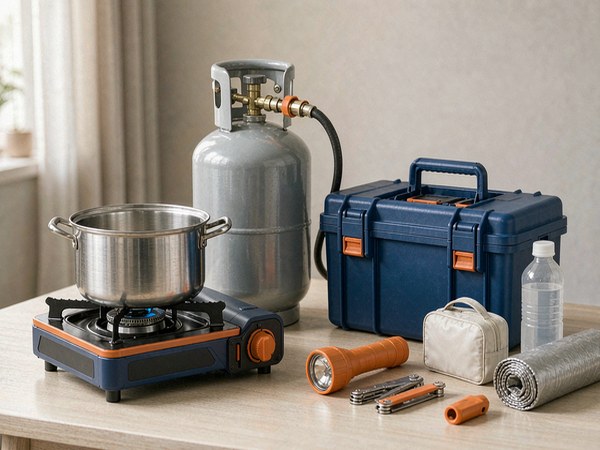
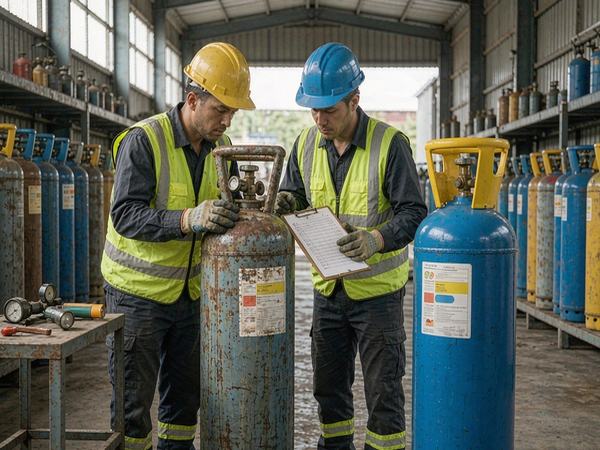
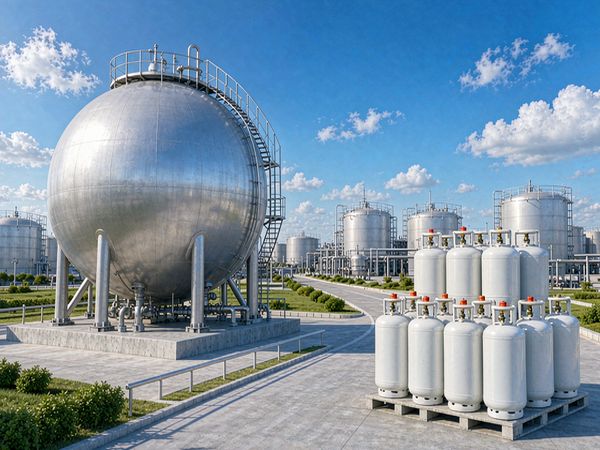
A reliable emergency gas supply usually means keeping a certified LPG cylinder on hand, with a compatible gas cylinder regulator and a safe stove — whether you call it a portable gas cylinder or a propane cylinder. This is where portable gas cylinders quietly become essential infrastructure. Emergency planners, relief organizations and households increasingly recognize […]
LPG Cylinders in Emergency Preparedness: Why Gas Supply Matters When Everything Else Stops Read More »

When Should a Cylinder Be Retired? Lifespan, Requalification and the Cost of Getting It Wrong

Cylinder requalification and regular cylinder inspection determine the safe cylinder service life of every bottle; once a cylinder is an expired cylinder or fails a hydrostatic test, it must be permanently retired. Knowing when to requalify and when to retire a cylinder is one of the most important responsibilities in gas safety. It is also

When Should a Cylinder Be Retired? Lifespan, Requalification and the Cost of Getting It Wrong Read More »

Bulk LPG vs Cylinders: How to Choose the Right Supply Model for Your Operation

The choice between bulk LPG and LPG cylinders comes down to consumption, space and supply reliability — whether you install an LPG storage tank or keep working with a gas cylinder supplier and a simple propane tank. There is no universally correct choice. A small restaurant and a large laundromat have different answers, and the

Bulk LPG vs Cylinders: How to Choose the Right Supply Model for Your Operation Read More »

Cylinder Colour Codes Around the World: What the Paint Really Tells You

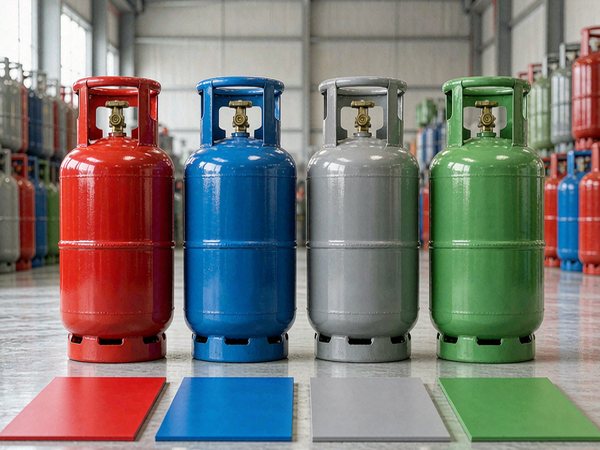
A cylinder’s colour is a useful first signal, but reliable cylinder identification depends on the gas cylinder marking and the colour code required in the destination market — not just the cylinder paint. The short answer is that colour is a useful clue but an unreliable rule. Conventions vary by country, by gas type and

Cylinder Colour Codes Around the World: What the Paint Really Tells You Read More »

The Collar, the Foot Ring and the Handle: Small Parts Doing a Big Safety Job

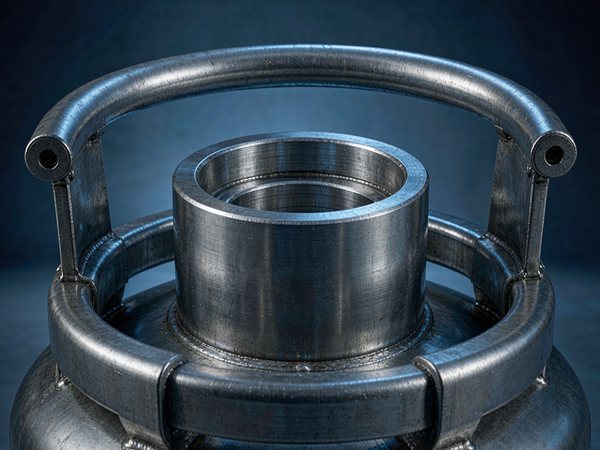
Three LPG cylinder parts do most of the work in daily handling: the cylinder collar provides valve protection, the cylinder foot ring keeps the bottle stable, and the cylinder handle determines how safely it can be lifted. A cylinder is not just a pressure vessel. It is a piece of handling equipment. The hardware around

The Collar, the Foot Ring and the Handle: Small Parts Doing a Big Safety Job Read More »

Steel Prices and Cylinder Costs: What Buyers Should Expect in a Volatile Market

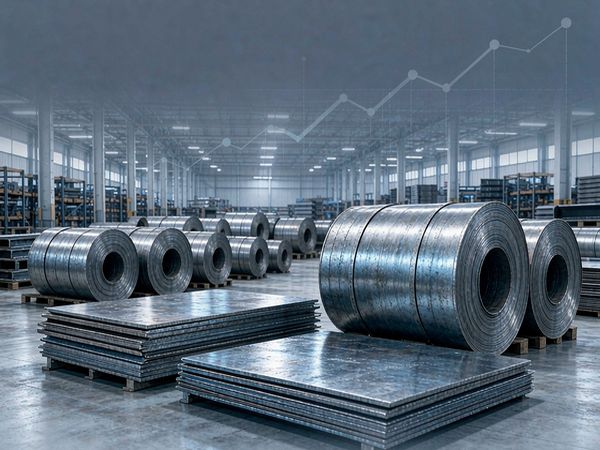
When the cylinder price of a steel LPG cylinder changes, it is usually the market for pressure vessel steel moving — and buyers need to understand how that affects final cylinder cost and steel cylinder grade before comparing any manufacturer quote. Understanding how steel prices affect cylinder pricing helps buyers plan budgets, time purchases and

Steel Prices and Cylinder Costs: What Buyers Should Expect in a Volatile Market Read More »

How to Vet an LPG Cylinder Supplier: Red Flags, Green Flags and the Questions That Matter

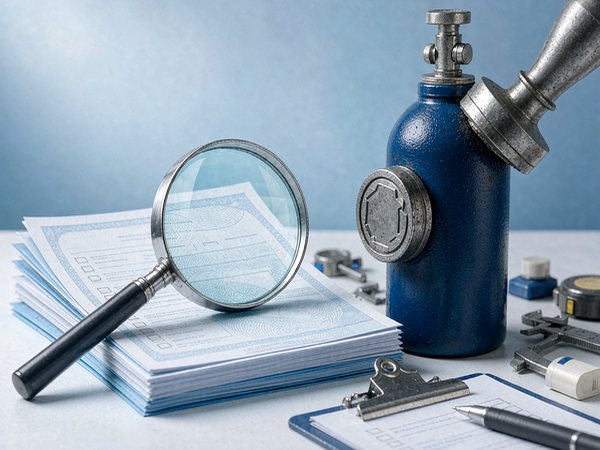
Choosing an LPG cylinder supplier means looking beyond the quote: a credible cylinder manufacturer should provide cylinder certification, transparent wholesale LPG cylinders pricing, and open access to the gas cylinder factory. The difficulty is that most suppliers look excellent on a website. Distinguishing real capability from polished presentation requires a structured approach. Here is how

How to Vet an LPG Cylinder Supplier: Red Flags, Green Flags and the Questions That Matter Read More »

Clean Cooking and the LPG Cylinder: The Quiet Infrastructure Behind a Global Health Shift

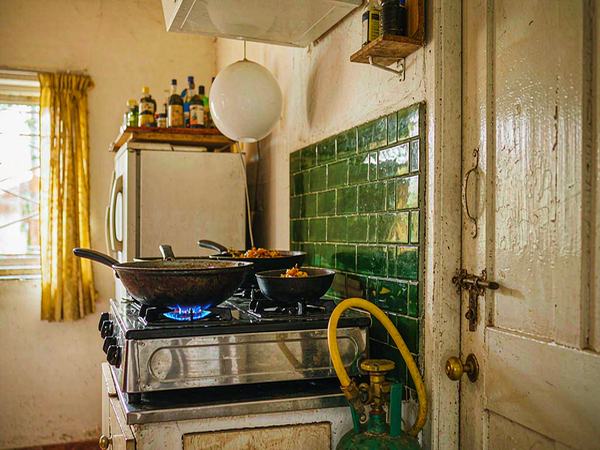
For households switching to clean cooking fuel, the decision comes down to choosing the right cooking gas cylinder, a dependable supplier, and the total LPG cylinder price — including the household LPG cylinder and a compatible LPG stove. This is one of the fastest-growing demand drivers in the LPG industry, and it is reshaping how

Clean Cooking and the LPG Cylinder: The Quiet Infrastructure Behind a Global Health Shift Read More »

The 80 Percent Rule: Why Gas Cylinders Are Never Filled Completely Full

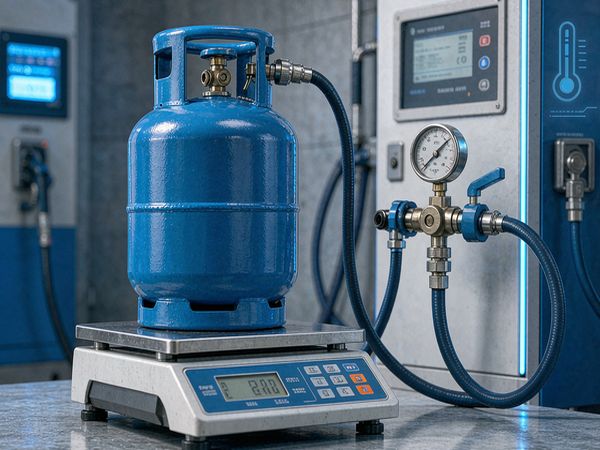
Safe LPG cylinder filling depends on three things: knowing the cylinder capacity, avoiding cylinder overfilling, and fitting an OPD valve where the market requires one — whether you fill a small propane tank or a larger one. LPG cylinders are filled to roughly 80 percent of their water capacity. The empty space is not wasted

The 80 Percent Rule: Why Gas Cylinders Are Never Filled Completely Full Read More »

Cylinder Sizes Around the World: Why the Same Gas Bottle Has a Different Name in Every Market

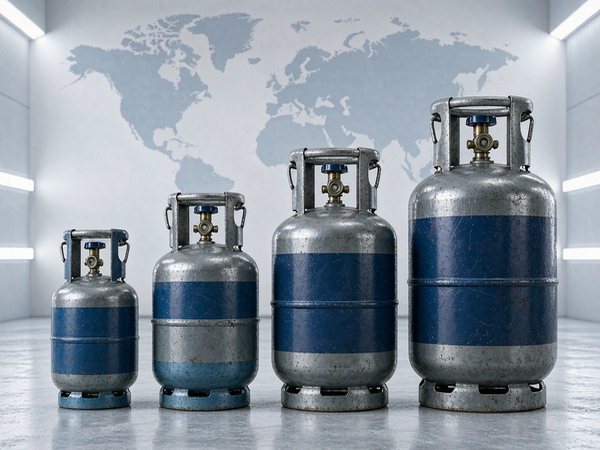
For importers comparing LPG cylinder sizes, the common choices are the 20lb propane cylinder, the 14.2kg LPG cylinder and larger propane tank sizes — each tied to a different market and a different set of gas cylinder specifications. For a buyer sourcing across markets, misunderstanding size is expensive. Order the wrong specification and you face

Cylinder Sizes Around the World: Why the Same Gas Bottle Has a Different Name in Every Market Read More »

↑