Author name: demo

The Economics of a Refill Station: What It Really Takes to Run a Cylinder Business

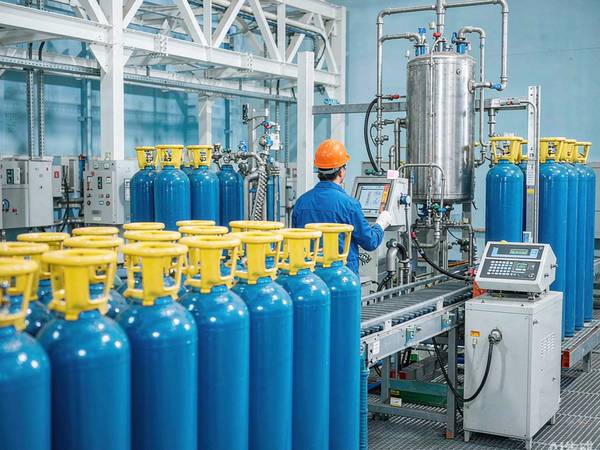
A refill station looks simple from the outside: a stack of cylinders, a filling scale, a counter. But behind that simple picture is a business with tight margins, significant safety obligations and a constant balancing act between throughput, working capital and customer service. Understanding the economics explains why some refill operations thrive while others struggle. […]

The Economics of a Refill Station: What It Really Takes to Run a Cylinder Business Read More »
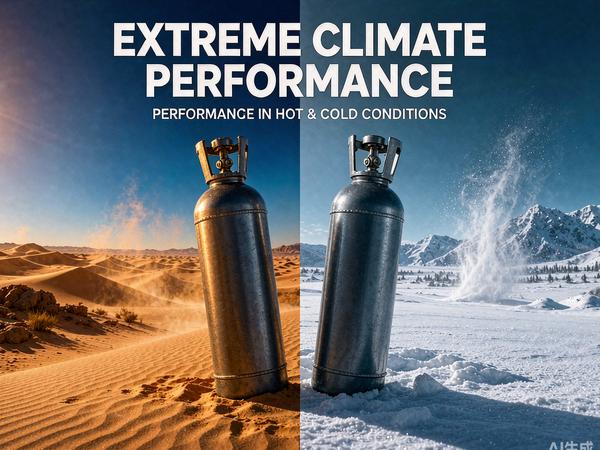
Desert Heat and Winter Cold: How Extreme Climates Test LPG Cylinders

LPG behaves differently depending on temperature, and the difference is large enough to affect safety, performance and customer satisfaction. A cylinder that performs perfectly in a mild climate can struggle in a desert summer or a northern winter. For manufacturers and distributors serving multiple regions, understanding these effects is essential. The physics is straightforward. LPG

Desert Heat and Winter Cold: How Extreme Climates Test LPG Cylinders Read More »

The Valve Is Only Half the Story: Getting Regulators and Connections Right

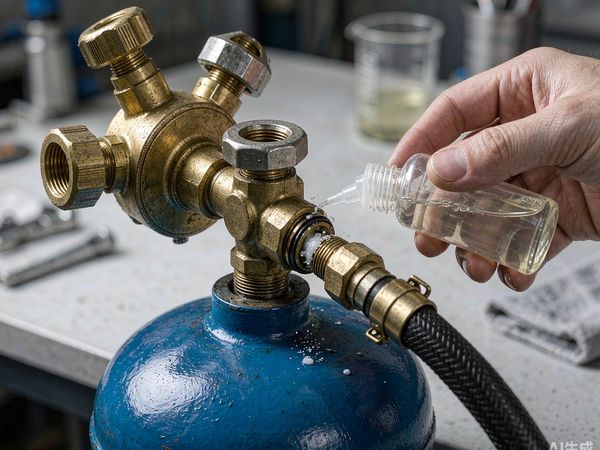
A cylinder can be perfectly manufactured, correctly tested and safely filled — and still cause a problem at the moment it is connected. The reason is simple: the cylinder does not work alone. It works as part of a system that includes the valve, the regulator, the hose or fitting, and the appliance. Get the

The Valve Is Only Half the Story: Getting Regulators and Connections Right Read More »

From Steel Coil to Gas Cylinder: A Look Inside the Manufacturing Line

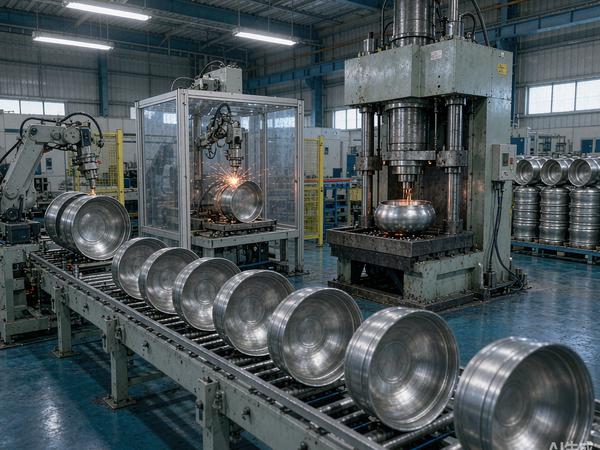
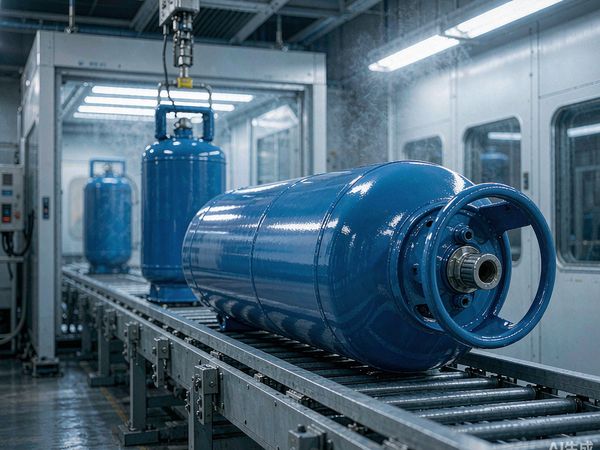
Most people see a finished gas cylinder and think of it as a simple object: a metal bottle with a valve. In reality, producing a reliable cylinder is a sequence of precisely controlled steps, each of which can introduce a defect if handled carelessly. Understanding the manufacturing process helps buyers appreciate why quality varies between

From Steel Coil to Gas Cylinder: A Look Inside the Manufacturing Line Read More »

Hydrogen, Blending and the Energy Transition: A New Question for Cylinder Makers

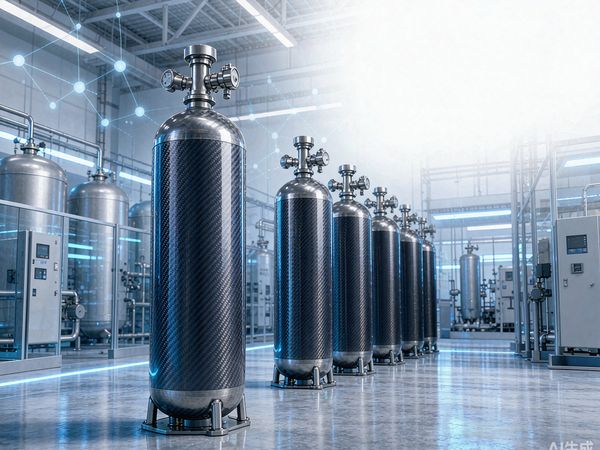
Every few years a new energy story promises to reshape the gas industry. Hydrogen is the most persistent of them. While much of the conversation focuses on pipelines, fuel cells and heavy transport, a practical question is quietly emerging for anyone who makes or sells cylinders: can these vessels serve a changing gas landscape? The

Hydrogen, Blending and the Energy Transition: A New Question for Cylinder Makers Read More »

Moving Gas Safely: The Hidden Rules Behind LPG Cylinder Transport

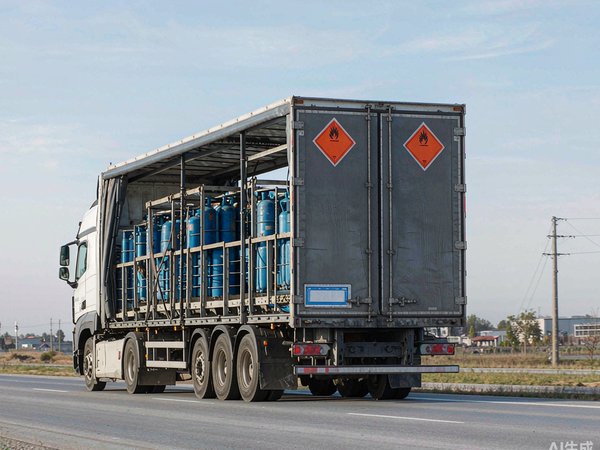
A filled LPG cylinder is not ordinary cargo. It is a pressurized, flammable hazardous material, and moving it — whether across a city or across an ocean — triggers a layer of rules that many buyers underestimate. Transport non-compliance rarely makes headlines until something goes wrong, but it can stop a shipment at a border,

Moving Gas Safely: The Hidden Rules Behind LPG Cylinder Transport Read More »

The Digital Product Passport Is Coming: What It Means for Cylinder Manufacturers

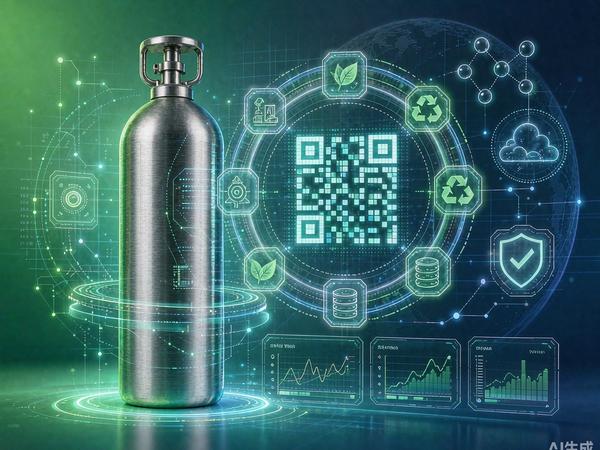
A new regulatory idea is moving from policy papers into real supply chains, and it will change how cylinders are documented, sold and compared. The Digital Product Passport, or DPP, is a digital record that travels with a product and contains the information needed to verify its compliance, origin, materials and environmental performance. For cylinder

The Digital Product Passport Is Coming: What It Means for Cylinder Manufacturers Read More »

The Barbecue Boom Is Still Burning: Why Outdoor Cooking Keeps Driving Gas Cylinder Demand

The gas cylinder has an unlikely hero: the backyard barbecue. While energy headlines focus on power grids and EV chargers, a quiet but durable trend has been reshaping cylinder demand for years — the global rise of outdoor cooking. From Australian backyards to American patios and European camping grounds, the humble gas bottle has become

The Barbecue Boom Is Still Burning: Why Outdoor Cooking Keeps Driving Gas Cylinder Demand Read More »

Beyond the Pressure Gauge: How Hydrostatic Testing and NDT Keep Cylinders Honest

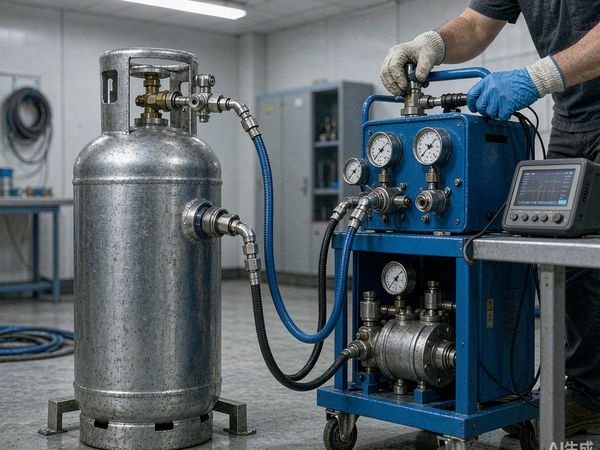
A cylinder gives very little warning before it fails. Unlike a car that makes a noise or a pipe that drips, a pressure vessel can look perfectly fine right up to the moment it does not. That is why the industry relies on tests that look beneath the surface — and why understanding those tests

Beyond the Pressure Gauge: How Hydrostatic Testing and NDT Keep Cylinders Honest Read More »

Powder Coating vs Paint: The Surface Treatment That Decides How Long a Cylinder Survives

A cylinder does not fail because it looks bad. It fails because something invisible started on the surface and worked its way inward. Rust is patient. It begins at a scratch, a weld seam or a chipped edge, and given moisture and time it turns a pressure vessel into a liability. That is why surface

Powder Coating vs Paint: The Surface Treatment That Decides How Long a Cylinder Survives Read More »

↑