Author name: demo

Where Demand Is Heading: LPG Cylinder Market Outlook for Africa, the Middle East and Asia

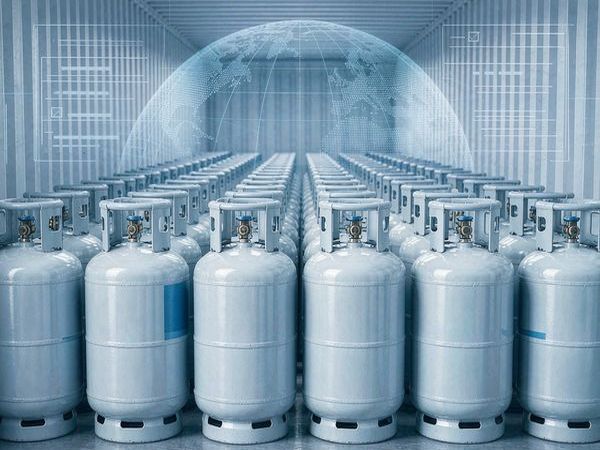
Global LPG demand does not move in a straight line, but the direction of travel is clear: more people are using bottled gas for cooking, heating and small-scale industry, and more of that gas is moving through cylinders. The interesting question for suppliers is not whether demand grows. It is where growth translates into cylinder […]
Where Demand Is Heading: LPG Cylinder Market Outlook for Africa, the Middle East and Asia Read More »

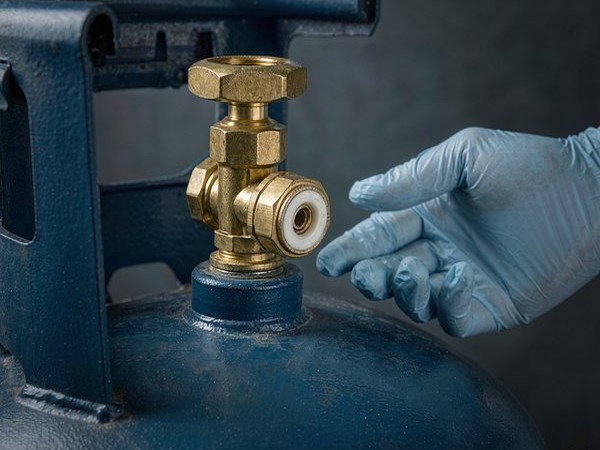
The Cheap Valve Trap: How One Small Component Can Wreck a Cylinder Shipment

It is the smallest component on the cylinder, and one of the most expensive to get wrong. A valve may represent a tiny fraction of a cylinder’s material cost, but it controls flow, seals the container, carries the safety relief function and takes the daily punishment of connection and disconnection. When it fails, nobody cares

The Cheap Valve Trap: How One Small Component Can Wreck a Cylinder Shipment Read More »

Why HP295 Steel Still Beats “Lighter” Alternatives in Real-World LPG Service

In a market obsessed with weight reduction, steel can sound old-fashioned. Composite bottles are lighter, aluminium looks modern, and marketing budgets love a percentage. Yet across the real world of LPG distribution — where cylinders are dropped, dragged, stacked, left in the sun and refilled for decades — one material continues to set the baseline

Why HP295 Steel Still Beats “Lighter” Alternatives in Real-World LPG Service Read More »

Passing the Border: A Practical Guide to DOT, TC, AS2469 and CE for LPG Cylinders

A cylinder can be perfectly made and still be refused at the border. That is the reality of exporting LPG cylinders: the technical requirements are only half the battle. The other half is documentation, marking and demonstrating that every unit in a shipment matches the approval it claims. For exporters and importers, certification is not

Passing the Border: A Practical Guide to DOT, TC, AS2469 and CE for LPG Cylinders Read More »

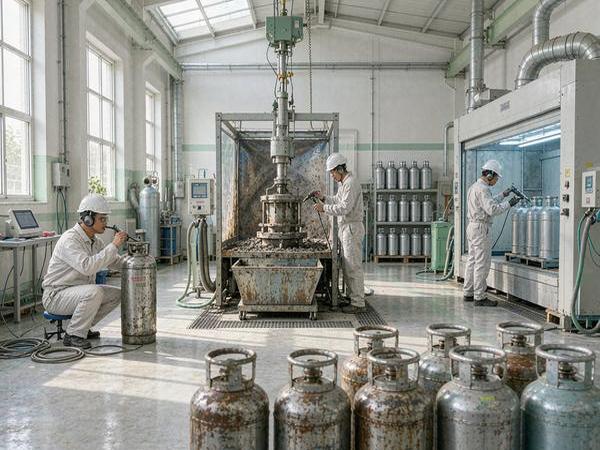
Refill, Recycle, Repeat: The Circular Economics of Steel LPG Cylinders

The most sustainable cylinder is not the one made from the greenest material. It is the one that stays in service the longest. That is the central insight behind the circular economics of steel LPG cylinders — and it is changing how distributors think about assets, deposits and end-of-life planning. A steel cylinder is not

Refill, Recycle, Repeat: The Circular Economics of Steel LPG Cylinders Read More »

Counterfeit Cylinders Are Everywhere — Here’s How to Spot One in 60 Seconds

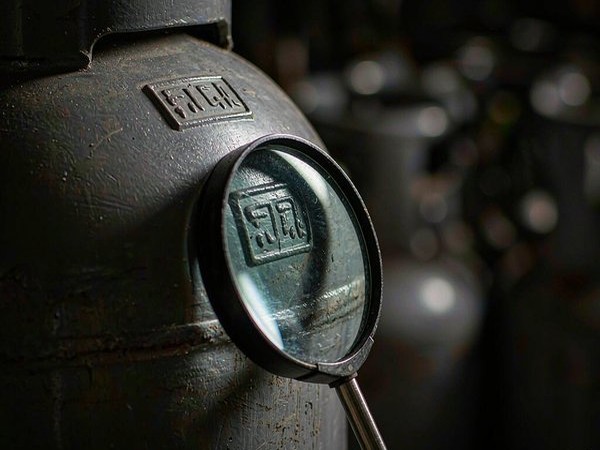
A cylinder can look perfect and still be dangerous. That is the uncomfortable reality distributors face when uncertified or copied bottles enter the supply chain. They arrive with convincing paint, a familiar shape and a stamp that looks almost right. To an untrained eye, they pass. To a pressure test, they often do not. Counterfeit

Counterfeit Cylinders Are Everywhere — Here’s How to Spot One in 60 Seconds Read More »

100lb vs 20lb: The Commercial Buyer’s Guide to Picking the Right LPG Cylinder

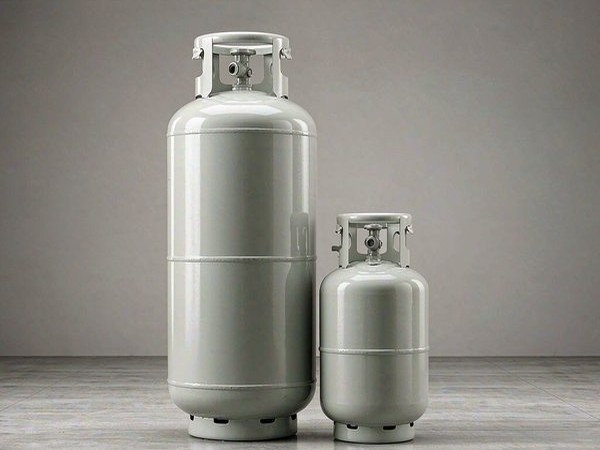
Why this matters Choose cylinder size based on peak demand, delivery frequency and site constraints. 20 lb cylinders win on flexibility and low upfront cost. 100 lb cylinders win on delivery economics, cold weather and high draw. It sounds like a simple choice: big cylinder or small cylinder. But anyone who has bought LPG for

100lb vs 20lb: The Commercial Buyer’s Guide to Picking the Right LPG Cylinder Read More »

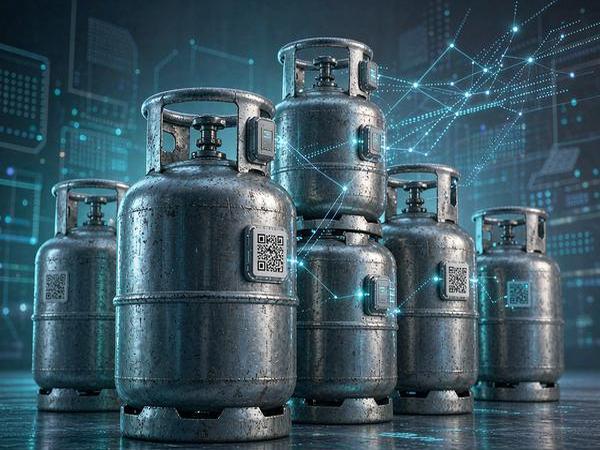
Smart Cylinders Go Mainstream: How IoT Traceability Is Rewriting LPG Logistics

Why this matters Smart cylinders give every bottle a unique digital identity and custody record. QR, RFID and NFC solve different problems; start simple and scale up. Custody data — not just location — is where the commercial value sits. For decades, the humble LPG cylinder has been one of the least visible assets in

Smart Cylinders Go Mainstream: How IoT Traceability Is Rewriting LPG Logistics Read More »

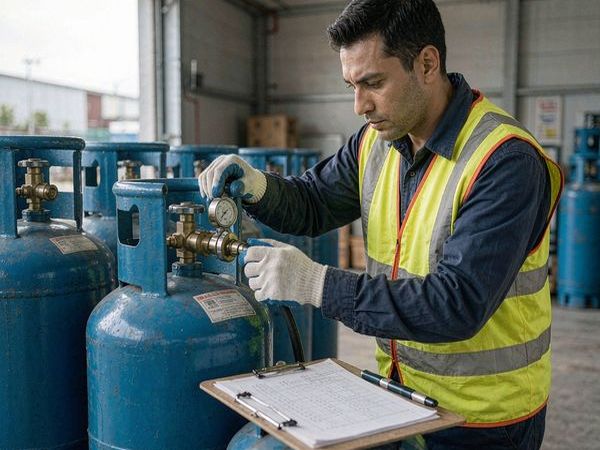
Cylinder Safety Is Now a Brand Issue: What Distributors Must Audit Before the Next Fill

Why this matters Most cylinder incidents come from process failures, not manufacturing defects. Audit identity, test dates, valves, visual condition and storage every cycle. The valve is the highest-risk component and deserves its own controls. A leaking cylinder does not just fail a test. It ends up in a customer’s kitchen, a restaurant’s back alley,

Cylinder Safety Is Now a Brand Issue: What Distributors Must Audit Before the Next Fill Read More »

↑