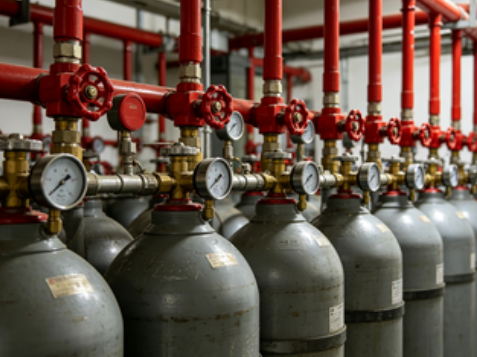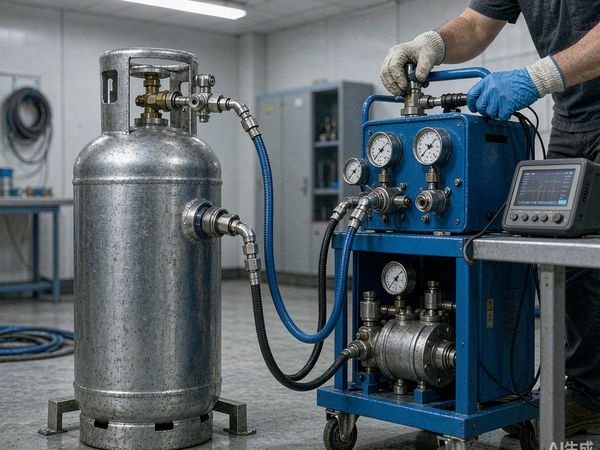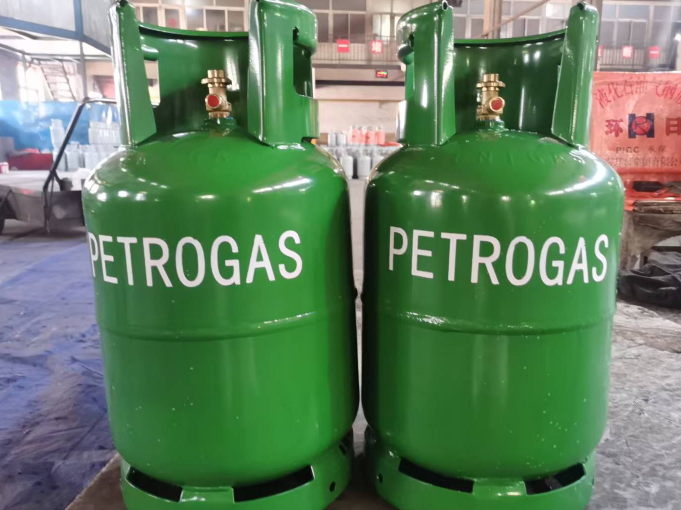
Global LPG demand does not move in a straight line, but the direction of travel is clear: more people are using bottled gas for cooking, heating and small-scale industry, and more of that gas is moving through cylinders. The interesting question for suppliers is not whether demand grows. It is where growth translates into cylinder orders, and what kind of cylinder those markets will actually accept.
Africa, the Middle East and Asia are not one market. They differ in income levels, regulation, distribution maturity and gas infrastructure. A strategy that works in one region can fail in another for reasons that have nothing to do with product quality.
Africa: The Biggest Long-Term Opportunity
Africa’s LPG story is driven by a basic shift: replacing biomass and charcoal with cleaner cooking fuel. As urban populations grow and governments push clean-cooking programmes, demand for bottled gas rises steadily.
The cylinder opportunity is substantial because distribution infrastructure is often underdeveloped. Where piped gas is limited, cylinders are not a temporary solution — they are the primary delivery system. That creates demand across the whole chain: small household bottles, larger commercial cylinders, valves, filling equipment and depot infrastructure.
The constraints are equally real. Price sensitivity is high, and informal refill networks are strong. Cylinders that disappear into unregulated filling circuits are a common problem, which weakens asset recovery and safety control. Deposit systems, durable markings and simple traceability matter more here than sophisticated sensors.
Successful suppliers in African markets tend to offer robust, repairable cylinders at competitive prices, backed by training and spare parts support. Premium features are attractive only when they do not raise the landed cost beyond what the market can carry.
The Middle East: High-volume, Quality-conscious Demand
The Middle East combines strong LPG consumption with well-established gas infrastructure and a mature commercial sector. Demand for cylinders is driven by hospitality, construction, industrial operations, retail and tourism, alongside household use in areas without piped gas.
Buyers in this region are generally more specification-driven. Certification, material quality and delivery reliability carry significant weight. Large commercial cylinders are especially important for hotels, restaurants, catering operations and industrial sites.
A notable feature of the market is the mix of local production and imports. Import-dependent countries rely heavily on suppliers who can meet specific national approvals and provide consistent documentation. Delays at customs are costly, so a supplier’s compliance capability is a real differentiator.
Opportunities also exist in replacement cycles. As older cylinders reach the end of their service life, fleets need modern replacements that meet current standards. Distributors with reliable traceability and refurbishment capacity are well positioned.
Asia: Scale, Diversity and Fast Change
Asia is the most diverse of the three regions. It includes mature markets with strict regulation, rapidly developing economies with huge household demand, and remote island or mountainous areas where cylinders are the only practical energy option.
In developed Asian markets, growth is less about new users and more about replacement, safety upgrades and premium features. Lighter cylinders, better valves and digital tracking find a receptive audience where labour costs are rising and regulators are active.
In developing Asian markets, the pattern resembles Africa but at larger scale. Household cylinder numbers are enormous, refill frequency is high, and cost remains decisive. The sheer volume means that small improvements in cylinder durability or turnaround time can have a large aggregate effect.
Across the region, government policy plays an unusual role. Subsidies, pricing controls and clean-energy programmes can change demand almost overnight. Suppliers who monitor policy developments carefully are better able to anticipate order swings.
What Buyers in All Three Regions Have in Common
Despite the differences, several requirements are universal:
- Reliable supply and predictable lead times.
- Clear certification for the destination market.
- Durable cylinders that survive rough handling.
- Spare parts availability, especially valves.
- Practical documentation that clears customs without drama.
- Support for inspection and refurbishment.
The suppliers who win are rarely those with the lowest headline price. They are the ones who reduce friction across the entire supply chain.
Capacity and Cylinder Type Trends
Three product trends are visible across these markets.
First, the shift toward higher-strength steel. Materials such as HP295 allow reliable cylinders with controlled wall thickness, helping manufacturers balance weight, strength and cost. This remains the mainstream choice for high-volume markets.
Second, gradual interest in composite cylinders. Adoption is concentrated in premium segments and applications where weight dominates the economics. In most high-volume markets, cost still favours steel.
Third, digital identity. QR codes and RFID are spreading from large commercial fleets into broader distribution. Even simple marking systems improve asset recovery and safety documentation, which matters everywhere but especially in markets with high cylinder loss.
The Risk Factors Nobody Should Ignore
Growth forecasts are useful, but they are not guarantees. Several factors could slow the pace:
- Currency volatility affecting import affordability.
- Changes in subsidy or energy policy.
- Stricter local certification requirements.
- Competition from local manufacturers.
- Logistics disruptions and freight cost swings.
- Informal markets capturing a share of demand.
A sensible market plan assumes some of these will happen and builds in flexibility: multiple sourcing options, manageable inventory and products that can be adapted to different standards.
How to Read the Next Few Years
The practical outlook is positive but uneven. Demand for cylinders will keep rising as LPG reaches more households and commercial users. The biggest volume gains are likely in Africa and parts of Asia, while the Middle East offers higher-value, specification-driven opportunities.
For distributors and suppliers, the strategic question is not simply where demand grows. It is where your product, certification and service model fit the local system. A cylinder that is ideal for a premium Asian market may be over-engineered for a price-sensitive African tender. A low-cost bottle that works in one market may fail compliance in another.
Success comes from matching the product to the operating reality — and from building the documentation, parts support and traceability that let a cylinder stay in service for years.
Quick Takeaways
- Africa offers the largest long-term volume opportunity, with cost and durability decisive.
- The Middle East favours certified, high-specification cylinders for commercial use.
- Asia ranges from premium replacement markets to very large price-sensitive markets.
- Certification, spare parts and documentation matter more than headline price.
- Steel remains mainstream; composites grow in weight-sensitive segments.
Frequently Asked Questions
Which region grows fastest?
Africa and parts of Asia show the strongest household-driven growth, though policy and currency shifts can change the picture quickly.
Are composite cylinders taking over?
Not in high-volume markets yet. They are growing in premium and weight-sensitive applications while steel remains dominant.
What matters most to buyers in developing markets?
Durability, price, spare parts availability and certification acceptance — in roughly that order.
How important is local approval?
Essential. A cylinder that lacks the destination market’s approval cannot legally be sold there, regardless of quality.
The bottom line: the next wave of LPG cylinder demand will reward suppliers who combine robust products with local compliance and dependable support. The opportunity is large — but it belongs to those who understand the market, not just those who can make a bottle.