Author name: demo

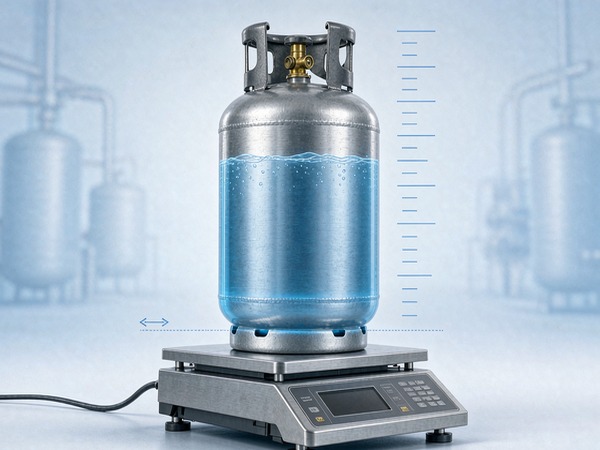
Cylinder Water Capacity and Tare Weight: How LPG Fill Weight Is Calculated

Getting the numbers wrong on a cylinder is more than a paperwork error: cylinder water capacity defines the maximum volume a bottle can hold, cylinder tare weight is the empty weight used in every fill calculation, LPG fill weight determines how much gas a customer receives, and a correct cylinder volume calculation underpins safe filling,

Cylinder Water Capacity and Tare Weight: How LPG Fill Weight Is Calculated Read More »

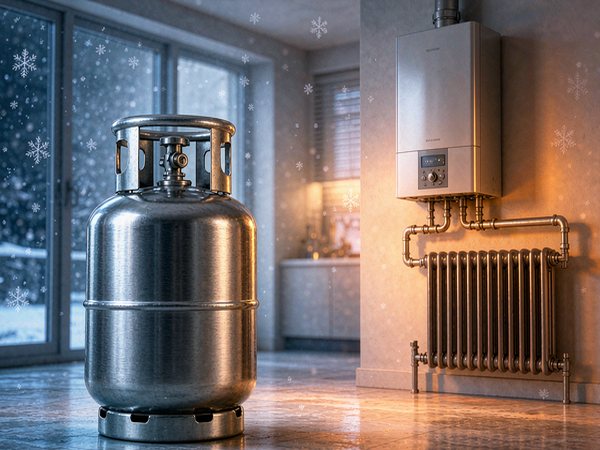
Winter LPG Cylinders and Seasonal Demand: Preparing Heating Propane Supply

Cold weather changes everything about gas distribution: winter LPG cylinders are consumed faster, heating propane cylinders face pressure and vaporisation limits, a reliable cold season gas supply depends on planning months ahead, and any disruption to winter gas bottle supply hits households and businesses at the worst possible time. For distributors, the seasonal pattern is

Winter LPG Cylinders and Seasonal Demand: Preparing Heating Propane Supply Read More »

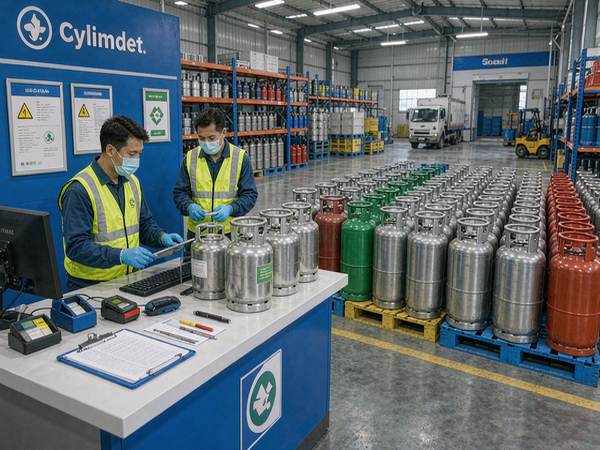
Cylinder Exchange Systems and Deposit Models: How Gas Bottles Circulate

A well-run cylinder exchange system keeps gas moving without customers ever owning a bottle: an LPG cylinder deposit makes the cylinder a reusable asset, a gas bottle exchange swaps empty for full at the counter, and a cylinder rental model or cylinder pooling arrangement gives distributors control over a circulating fleet that can be inspected,

Cylinder Exchange Systems and Deposit Models: How Gas Bottles Circulate Read More »

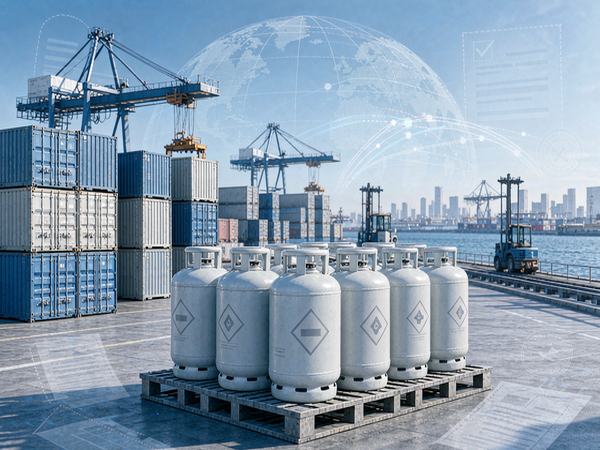
LPG Cylinder Import Duty and Tariffs: A Practical Guide for Buyers

Before a single cylinder reaches a customer, buyers must navigate LPG cylinder import duty, a cylinder import tariff that varies by origin and destination, gas cylinder trade regulations that govern what may legally enter a market, and the practical realities of cylinder customs clearance when you import LPG cylinders across borders. For an independent distributor

LPG Cylinder Import Duty and Tariffs: A Practical Guide for Buyers Read More »

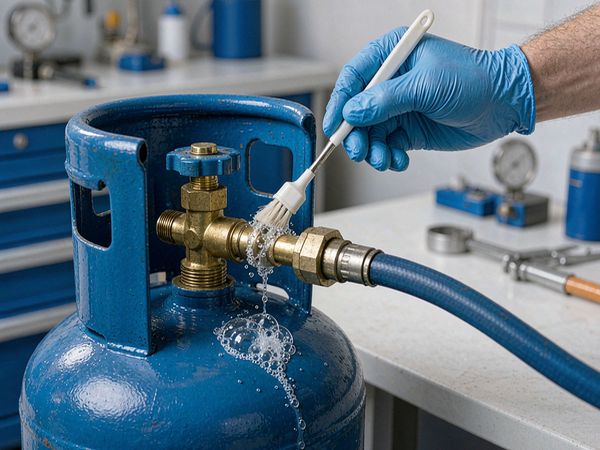
Cylinder Leak Testing Methods: From Soapy Water to Modern LPG Leak Detection

A reliable cylinder leak test is the final gate between a gas cylinder and the customer: LPG leak detection catches problems that pressure tests cannot, a routine gas cylinder leak check protects homes and workplaces, the humble soapy water test remains the industry standard for speed and simplicity, and formal cylinder leak testing standards define

Cylinder Leak Testing Methods: From Soapy Water to Modern LPG Leak Detection Read More »

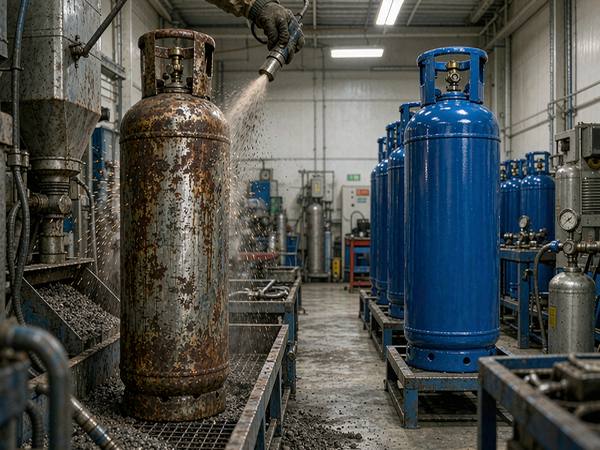
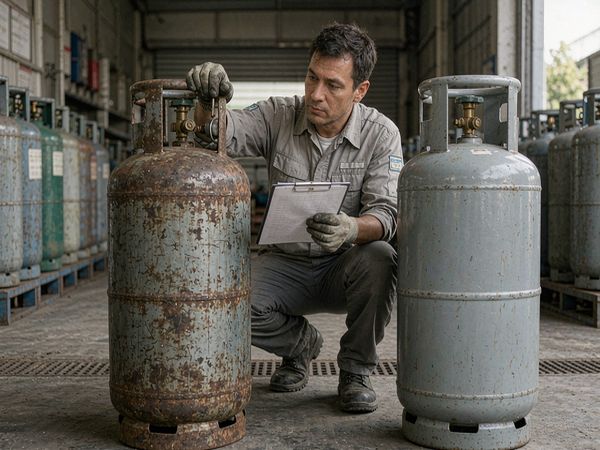
Inside the Cylinder Reconditioning Process: How Old Gas Bottles Return to Service

Proper cylinder reconditioning is a controlled industrial process, not a quick coat of paint: LPG cylinder restoration begins with inspection and rejection of unsafe bottles, cylinder shot blasting removes old coating and corrosion, and a refurbished gas cylinder only returns to service after testing, while the cylinder repainting process restores protection and identification. Done correctly,

Inside the Cylinder Reconditioning Process: How Old Gas Bottles Return to Service Read More »

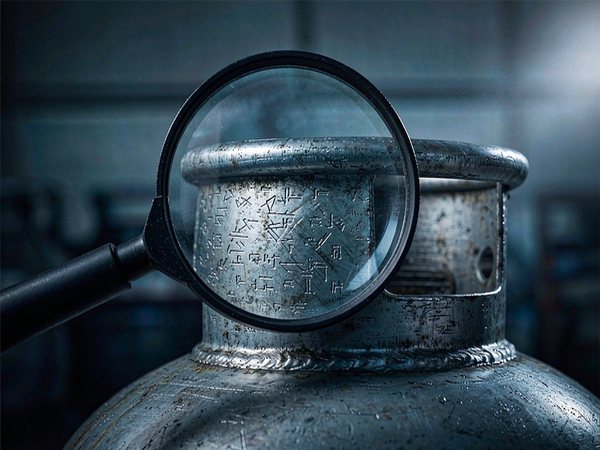
How to Read Cylinder Stamp Markings and Date Codes on LPG Bottles

Every compliant cylinder carries a permanent record stamped into its metal: a cylinder stamp marking that identifies the manufacturer, a cylinder date stamp that records test and manufacture timing, a unique cylinder serial number for traceability, and other stamped cylinder data such as pressure ratings and standards. Learning to read LPG cylinder date markings takes

How to Read Cylinder Stamp Markings and Date Codes on LPG Bottles Read More »

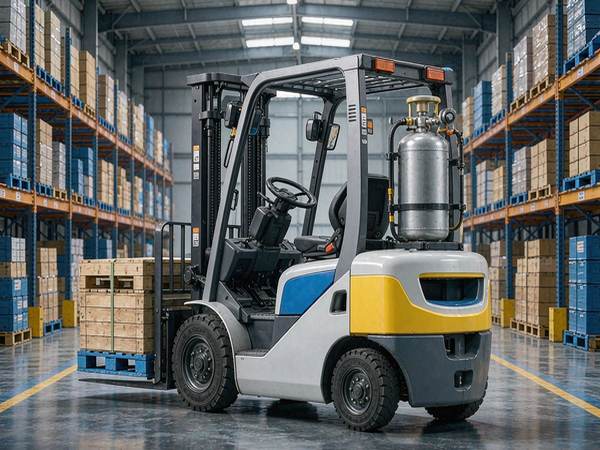
Forklift LPG Cylinders: What Industrial Buyers Need to Know About Fuel Cylinders

A forklift LPG cylinder is not simply a household gas bottle in a different colour: an industrial propane cylinder is built for high-flow demand, frequent refills and constant vibration, a forklift fuel cylinder must stay secure on a moving truck, and a warehouse gas bottle used in material handling LPG operations has to meet workplace

Forklift LPG Cylinders: What Industrial Buyers Need to Know About Fuel Cylinders Read More »

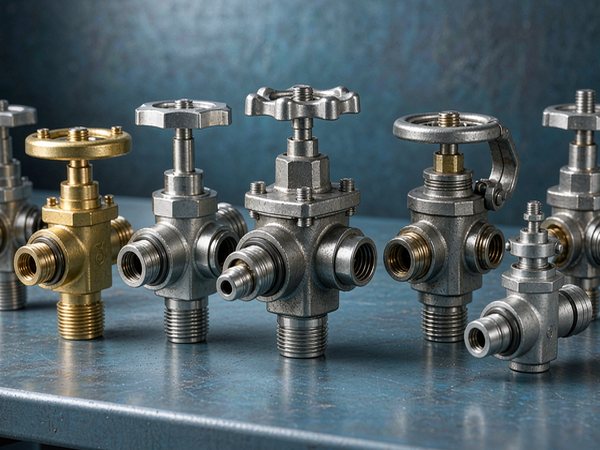
Cylinder Valve Types Explained: POL, QCC, ACME and Choosing the Right Propane Valve Connection

Choosing among cylinder valve types is one of the most consequential decisions in LPG sourcing: a POL valve suits larger industrial and bulk cylinders, a QCC valve is standard on small propane barbecue cylinders, an ACME thread appears on many filling and regulator connections, and the wrong propane valve connection can make an otherwise perfect

Cylinder Valve Types Explained: POL, QCC, ACME and Choosing the Right Propane Valve Connection Read More »

↑