

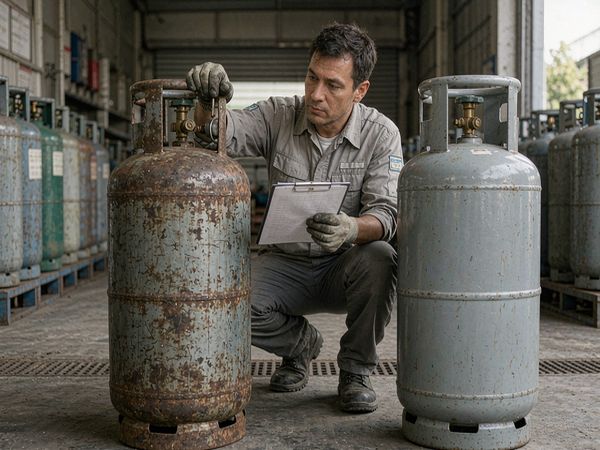
A used LPG cylinder can be a sensible purchase, but only after a careful used cylinder inspection: a second hand gas cylinder may have years of safe service left, while buying used cylinders without checking their history is a gamble with safety, and a pre-owned gas bottle that fails any key test should be rejected outright.
The market for used cylinders is active in many regions, particularly where new cylinders are expensive or import duties are high. The opportunity is real, but so are the risks.
Why Buyers Consider Used Cylinders
There are legitimate reasons to buy used:
- Lower initial cost, especially for high-volume fleets.
- Faster availability when new supply is delayed.
- Local availability in remote markets.
- Sustainability through reuse.
- Compatibility with existing equipment.
In exchange systems, used cylinders are often the norm because the distributor owns the fleet and maintains it throughout its life.
However, the savings are only real if the cylinder has substantial service life remaining. A cheap cylinder that fails inspection after a few months is more expensive than a new one.
The Critical Checks
A systematic used cylinder inspection should cover the following:
- Markings and paperwork
Check that the stamp is legible and includes the manufacturer, serial number, test pressure, tare weight and standard. Confirm the date stamp and verify that it matches the documentation. Missing or altered markings are an immediate rejection.
- Test date and remaining life
Determine whether the cylinder is within its approved service period and whether requalification is due soon. A cylinder close to retirement has little value, regardless of price.
- External condition
Look for dents, gouges, bulges, heat damage and corrosion. Pay particular attention to the base, the weld seam and the collar. Deep pitting or deformation is a rejection criterion.
- Coating condition
Check for widespread rust, blistering or peeling. Coating damage is not always a structural problem, but it indicates neglect and may mean corrosion has started underneath.
- Valve and thread
Inspect the valve for damage, corrosion and correct operation. Check the thread for cross-threading or wear. A valve that cannot be serviced easily may make the cylinder uneconomical.
- Internal condition
Where possible, have the interior examined. Internal corrosion is not visible from outside and can be serious, especially if water has entered through a faulty valve.
- Hydrostatic test
If there is any doubt about the cylinder’s history, require a hydrostatic test before purchase. This is the definitive check on structural integrity.
Red Flags to Reject Immediately
Certain findings should end the assessment:
- Heat damage, discolouration or signs of fire exposure.
- Illegible or ground-off markings.
- Evidence of unauthorised welding or repair.
- Severe corrosion near the base or weld.
- A cylinder that has been used for a different gas.
- Missing documentation with no way to verify history.
A second hand gas cylinder with any of these problems should be scrapped, not resold.
Where Used Cylinders Come From
Understanding the source helps assess risk:
- Exchange fleets: generally well maintained with records, often the best option.
- Closed-down businesses: variable condition, records may be missing.
- Informal resale: highest risk, often no documentation.
- Auction or liquidation: require full inspection before use.
Buying from a known operator with traceable records is far safer than buying anonymous cylinders in bulk.
Qingdao Evergreen Import and Export Co., Ltd. supplies both new cylinders and guidance on evaluating pre-owned equipment, because a buyer who understands cylinder condition makes better sourcing decisions overall.
The Economics of Buying Used
Calculate the true cost:
- Purchase price.
- Transport and inspection.
- Valve service or replacement.
- Recoating if needed.
- Requalification costs.
- Expected remaining service life.
Divide the total by the remaining years or fill cycles to compare fairly with a new cylinder. A used cylinder at half the price with only a quarter of the remaining life is not a bargain.
Legal and Compliance Issues
Some markets restrict or prohibit the resale of used cylinders without requalification. Others require the seller to provide test records. Check local rules before buying used cylinders, especially across borders.
Importing used cylinders may also trigger additional customs requirements, and some authorities treat them differently from new products. Certification that applied originally may no longer be valid.
Safety First
Never test a used cylinder by filling it with gas and looking for leaks. Use proper inspection methods and qualified personnel. A cylinder that fails inspection must be permanently condemned, not passed on to another buyer.
Quick Takeaways
- Used cylinders can be economical if they have verified remaining service life.
- Legible markings and matching paperwork are the first requirement.
- Check external condition, valve, thread and internal corrosion.
- Reject any cylinder with heat damage or unauthorised repair.
- A hydrostatic test is the definitive check when history is uncertain.
Frequently Asked Questions
Are used LPG cylinders safe?
They can be, if properly inspected, tested and within their approved service life. Never rely on appearance alone.
What documents should come with a used cylinder?
Ideally the original certificate, test records and a clear serial number matching the paperwork.
How much life should a used cylinder have left?
Enough to justify the price after inspection and requalification costs — typically several years at minimum.
Can used cylinders be imported?
It depends on the destination market. Many countries impose additional requirements or prohibit used cylinder imports.
| About Qingdao Evergreen Import and Export Co., Ltd. Qingdao Evergreen Import and Export Co., Ltd. manufactures and exports LPG cylinders, valves and gas fittings to markets worldwide, supporting buyers with region-specific specifications, certification and reliable supply. |
The bottom line: buy a used cylinder on evidence, not on price — the stamp and the test record tell the real story.