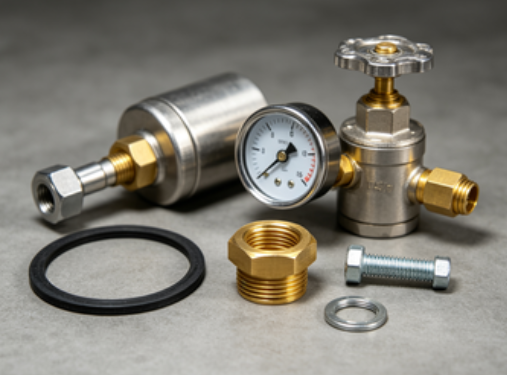

A cylinder can be perfectly manufactured, correctly tested and safely filled — and still cause a problem at the moment it is connected. The reason is simple: the cylinder does not work alone. It works as part of a system that includes the valve, the regulator, the hose or fitting, and the appliance. Get the connection wrong and the quality of the steel becomes irrelevant.
For distributors and buyers, connection compatibility is one of the most overlooked sources of field problems. Leaks, poor performance and customer complaints often trace back to a mismatch between components that were each individually correct.
Why the Regulator Matters So Much
LPG is stored as a liquid under pressure and used as a gas at much lower pressure. The regulator’s job is to reduce and stabilise that pressure so the appliance receives gas safely and consistently.
A regulator that is wrong for the application can cause several problems. Too much pressure can damage appliances and create unsafe conditions. Too little pressure produces weak flames and poor combustion. A regulator that cannot handle the required flow will struggle during high demand, causing the flame to drop.
Regulators are also safety devices. Many include overpressure protection that shuts off gas if pressure rises abnormally. Selecting the right one is a safety decision, not just a functional one.
Connection Types Are Not Universal
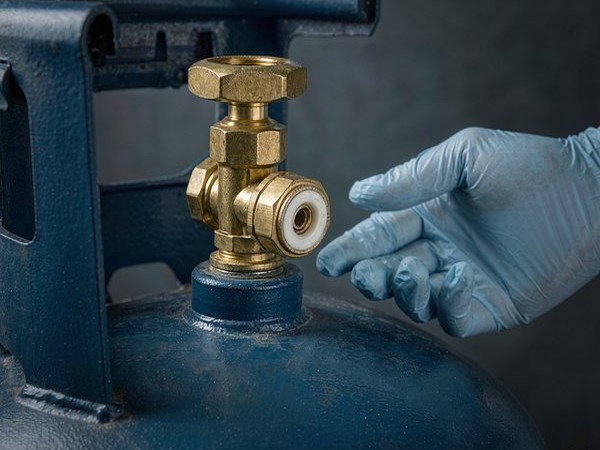
Different markets and applications use different valve and connection standards. A cylinder valve that fits one region’s regulator may not fit another’s. Even where threads appear similar, sealing methods may differ — some use a flat seal, others a tapered thread, others a specific O-ring.
This matters enormously for exporters. A cylinder shipped with a valve that is correct for the destination market is a compliant product. The same cylinder with a valve intended for another market can be unusable or unsafe.
Common problems include cross-threading, using an adaptor that is not approved, and mixing components from different certification systems. Each creates a potential leak path.
The Valve-Regulator Interface
The point where valve meets regulator is where most leaks occur. Several factors determine whether the joint seals reliably:
- Correct thread form and tolerance.
- Clean sealing surfaces free of damage or debris.
- Proper sealing method — washer, O-ring or tapered thread.
- Correct tightening torque, which is neither too loose nor too tight.
- Compatibility of materials with LPG.
A leaking connection is sometimes caused by a damaged seal rather than a faulty component. That is why field teams should carry spare seals and inspect them during routine visits.
What Buyers Should Standardise
The best way to avoid connection problems is to standardise the system rather than buy components separately.
Define an approved combination of cylinder valve, regulator and fitting for each application. Source them as a matched set where possible. Keep records of what was supplied to each customer so that future replacements are compatible.
For distributors serving multiple markets, maintain separate Bills of Materials per destination. Never assume that a component approved in one country is acceptable in another.
Training makes a difference too. Delivery staff and installers should know how to check a connection, how to recognise a leak and when to replace a seal rather than reuse it.
Leak Detection: The Final Check
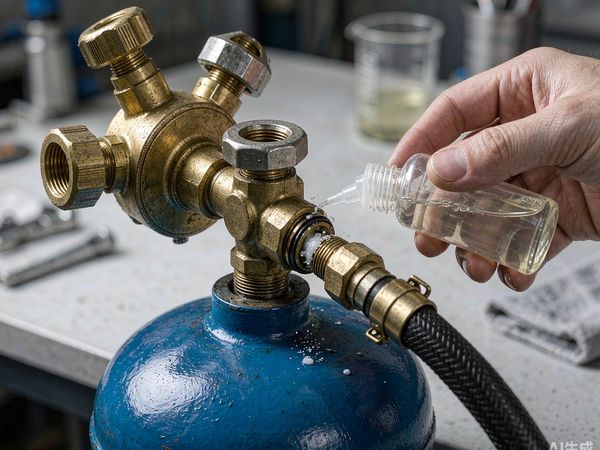
Every connection should be checked after fitting. Soap solution remains the simplest and most reliable method for field use: apply it to the joint and look for bubbles. Electronic gas detectors are useful, especially for small leaks or enclosed spaces, but they need calibration.
A customer who smells gas should be instructed to shut off the valve, ventilate the area and call for service. Clear guidance prevents panic and unsafe improvisation.
The Cost of Getting It Wrong
Connection problems generate a disproportionate share of customer complaints. A single leaking joint can cause a site visit, a lost customer and a safety report. In a worst case, it can lead to an incident with serious consequences.
The components involved are inexpensive. The discipline around selecting, fitting and checking them is what costs — and what pays.
A Practical Checklist
Before a cylinder goes to a customer, confirm the valve matches the destination standard, the regulator is rated for the gas and flow, seals are clean and correct, the connection is tightened properly, and a leak check has been performed. Record the check. Then make sure the customer knows how to connect and disconnect safely.
Quick Takeaways
- A cylinder works as part of a system, not as a standalone product.
- Regulators control pressure and often provide overpressure protection.
- Connection standards differ by market; never assume compatibility.
- Most field leaks occur at the valve-regulator interface.
- Standardise matched component sets and check every connection.
Frequently Asked Questions
Can I use any regulator with any LPG cylinder?
No. The regulator must match the valve connection, gas type, pressure and flow requirements.
Why does my flame drop during cooking?
Often the regulator cannot supply enough flow, or the cylinder pressure is low due to cold weather or low gas level.
How do I check for a leak?
Apply soapy water to the connection and look for bubbles. Never use an open flame.
Who should replace a faulty seal?
A trained technician using the correct part for that connection type.
The bottom line: the connection is where engineering meets the customer. Get the system right, and a good cylinder performs exactly as intended.