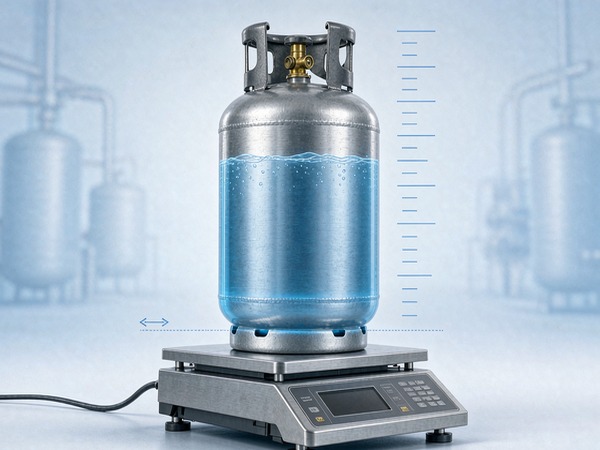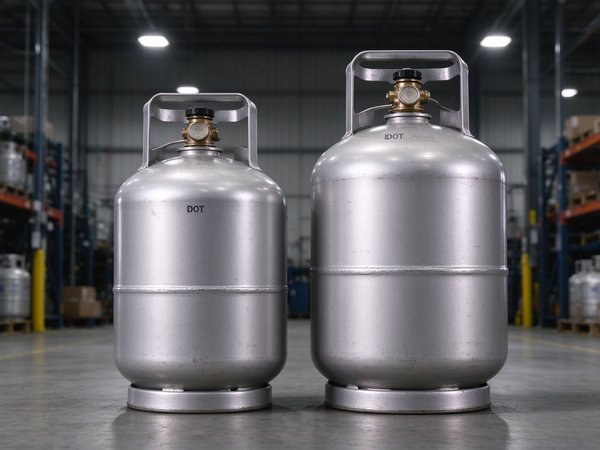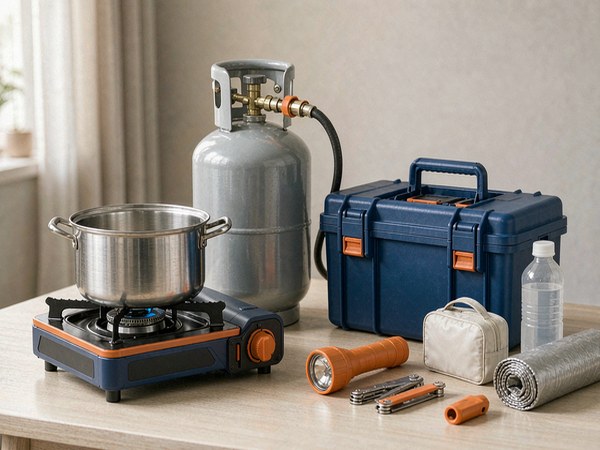
A reliable emergency gas supply usually means keeping a certified LPG cylinder on hand, with a compatible gas cylinder regulator and a safe stove — whether you call it a portable gas cylinder or a propane cylinder.
This is where portable gas cylinders quietly become essential infrastructure. Emergency planners, relief organizations and households increasingly recognize that LPG cylinders have a central role in disaster preparedness.
Why LPG Works in an Emergency
LPG has several properties that make it unusually useful when normal systems fail:
- It is stored locally, so it does not depend on a functioning grid or pipeline.
- It can be transported by road to areas where other energy infrastructure is damaged.
- It provides a high-energy, controllable flame for cooking and, with the right appliances, heating.
- Cylinders are portable and can be distributed to individual households.
- It burns relatively cleanly compared with wood or charcoal, which matters in crowded shelters.
After major disasters, the ability to cook hot meals and boil water can have a direct effect on public health. Clean water and prepared food reduce the risk of waterborne illness and help maintain morale in difficult conditions.
The Logistics Challenge
Having gas available is one thing; getting it to the right place is another. Emergency supply chains face several obstacles:
- Roads may be damaged or blocked.
- Local distribution networks may be disrupted.
- Refill plants may be without power or water.
- Demand spikes suddenly and unpredictably.
- Storage space in affected areas is limited.
Successful emergency response depends on pre-positioned stock, agreements with suppliers that can be activated quickly, and a clear plan for moving cylinders into the field. Waiting until a disaster happens to arrange supply is too late.
This is why many governments and relief agencies maintain strategic reserves of cylinders and work with manufacturers on standby supply arrangements.
Safety in Difficult Conditions
Emergencies create conditions that are not ideal for gas equipment. Cylinders may be stored in crowded spaces, used in poorly ventilated shelters, or handled by people who are not trained in normal safety practice.
That makes a few rules especially important:
- Never use a gas stove inside a closed room or tent without ventilation.
- Store cylinders upright and secured, away from heat and damage.
- Check connections for leaks before use.
- Keep cylinders outside living and sleeping areas whenever possible.
- Use the correct regulator and appliance for the cylinder.
- Do not use damaged or uncertified cylinders.
- Train relief workers in basic cylinder safety.
Carbon monoxide poisoning is a well-documented risk in disaster settings when fuel is burned indoors. Clean-burning LPG reduces smoke but still requires oxygen and produces carbon monoxide if combustion is incomplete. Ventilation remains essential.
The Role of Cylinder Design
Emergency use places unusual demands on cylinders. They may be moved over rough ground, stored outdoors for long periods, and handled by many different people. That puts a premium on:
- Robust collars and bases that protect the valve.
- Clear, durable markings that remain readable in poor conditions.
- Reliable valves that resist damage and leakage.
- Coatings that withstand outdoor storage.
- Standardized connections so appliances and regulators fit.
Qingdao Evergreen Import and Export Co., Ltd. supplies cylinders for emergency and humanitarian programmes, where equipment often has to perform in difficult environments. The requirement is straightforward: the cylinder must work safely even when everything around it does not.
Preparedness at the Household Level
Emergency planners increasingly encourage households to keep a basic gas supply and the equipment to use it safely. A sensible kit includes:
- A certified cylinder with a current test date.
- A compatible regulator and hose.
- A portable gas stove designed for indoor-adapted or well-ventilated use.
- A leak detection solution or qualified detector.
- Spare parts and clear instructions.
- Knowledge of how to turn off the supply quickly.
Just as important is knowing what not to do: never store a spare cylinder indoors, never use a damaged regulator, and never attempt to refuel a cylinder privately.
Lessons for the Industry
The emergency preparedness market is small compared with household cooking or industrial demand, but it is strategically important. It highlights the value of the cylinder as an independent energy store — a feature that matters in far more situations than disasters.
It also raises the bar for quality. In an emergency, there is no technician nearby and no chance to return a faulty product. Cylinders must be right the first time.
Quick Takeaways
- LPG cylinders provide energy independence when grids and pipelines fail.
- Emergency supply depends on pre-positioning and reliable logistics.
- Ventilation is essential to prevent carbon monoxide poisoning in shelters.
- Robust hardware and clear markings matter most in difficult conditions.
- Households benefit from a certified, complete and well-maintained gas kit.
Frequently Asked Questions
Can LPG cylinders be used indoors during a power outage?
Only with proper ventilation and a stove designed for the setting. Never burn gas in a closed room or tent.
How much gas should a household keep for emergencies?
It depends on family size and expected duration, but a modest certified supply plus a safe stove is a sensible starting point.
Are emergency cylinders different from normal ones?
Usually the same certified product, though programmes may specify extra durability or markings for field conditions.
Who manages large-scale emergency cylinder supply?
Typically governments, relief agencies and pre-qualified suppliers working under standby agreements.
| About Qingdao Evergreen Import and Export Co., Ltd. Qingdao Evergreen Import and Export Co., Ltd. manufactures and exports LPG cylinders, valves and gas fittings to markets worldwide, supporting buyers with region-specific specifications, certification and reliable supply. |
The bottom line: in an emergency, a cylinder is not just a container of fuel — it is a small, reliable piece of energy infrastructure.