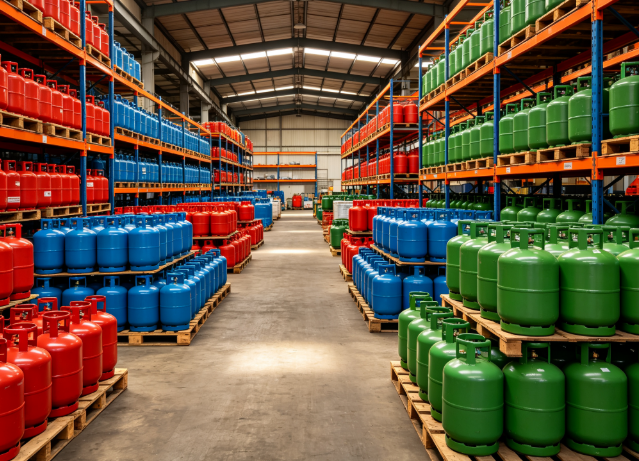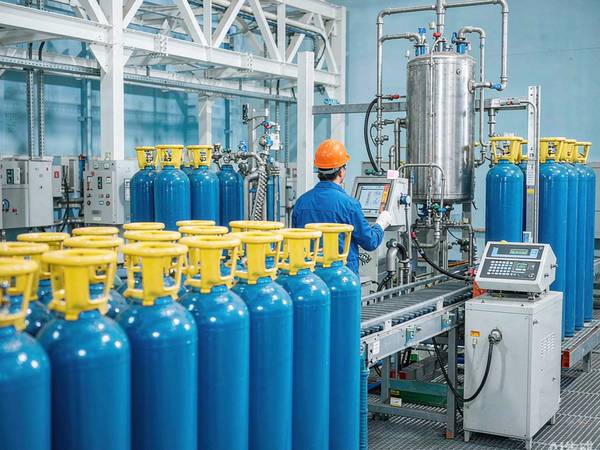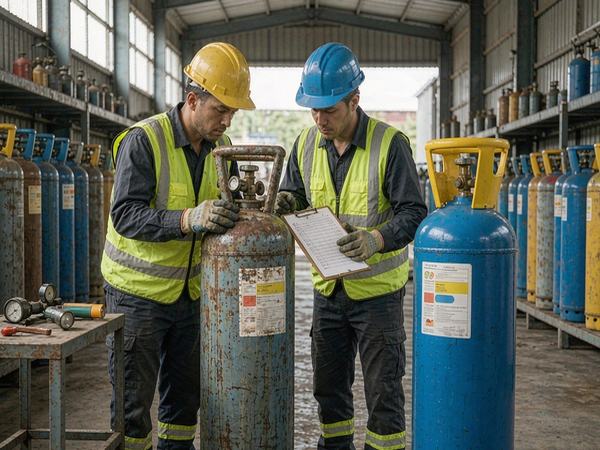
Cylinder requalification and regular cylinder inspection determine the safe cylinder service life of every bottle; once a cylinder is an expired cylinder or fails a hydrostatic test, it must be permanently retired.
Knowing when to requalify and when to retire a cylinder is one of the most important responsibilities in gas safety. It is also a commercial decision, because a cylinder that is retired too early wastes money and one that is kept too long creates serious risk.
What Determines Cylinder Lifespan
There is no single global expiry date. Lifespan depends on:
- The standard to which the cylinder was manufactured.
- The material: steel or composite.
- The operating environment, especially humidity and salt exposure.
- How often it is filled and handled.
- The quality of maintenance and inspection.
- Local regulation governing requalification intervals.
Many steel LPG cylinders are designed for a long service life, often twenty years or more under normal conditions. But that figure assumes proper care, periodic inspection and compliance with the applicable standard. In harsh environments, the practical life can be much shorter.
Composite cylinders follow different rules. Their lifespan is often tied to a fixed service period from manufacture because the resin and fibre materials age in ways that are harder to assess visually. Always follow the manufacturer’s stated life for composites.
Requalification Versus Retirement
Requalification is a formal process by which an existing cylinder is inspected and tested to confirm it can continue in service. It typically includes:
- Visual inspection of the exterior and interior.
- Checking wall thickness where corrosion is suspected.
- Examination of welds and the valve boss.
- Verification of markings.
- A hydrostatic test at the specified pressure.
- Replacement or servicing of the valve where required.
If the cylinder passes, it is stamped or marked with the new test date and returns to service. If it fails, it must be retired permanently.
Common Reasons a Cylinder Is Rejected
Inspectors see the same problems repeatedly:
- Significant corrosion, especially around the base or weld seam.
- Dents, gouges or deformation affecting structural integrity.
- Damaged or-modified threads on the valve opening.
- Heat damage or signs of exposure to fire.
- Illegible or missing markings.
- Evidence of unauthorized repair or repainting.
- Excessive wall loss.
- A valve that cannot be safely serviced.
A cylinder that has been in a fire should always be treated as suspect, even if it looks intact. Heat can change the steel’s properties in ways that are not visible.
The Cost of Getting It Wrong
Keeping a cylinder in service too long risks leakage or failure. The consequences can include property damage, injury, regulatory penalties and loss of customer trust. For a distributor, a single serious incident can outweigh years of savings from extending cylinder life.
Retiring too early is less dramatic but still costly. Cylinders are expensive assets, and replacing them unnecessarily reduces margins. In large fleets, the difference between a twelve-year and a twenty-year service life is substantial.
The goal is not maximum life or minimum life. It is the correct life, determined by inspection and regulation.
Building a Cylinder Management System
Fleet management is where most improvements happen. A good system includes:
- A register of every cylinder with serial number and purchase date.
- Tracking of fill cycles and test dates.
- Scheduled inspection before deadlines expire.
- Clear criteria for condemning a cylinder.
- Secure storage for cylinders awaiting inspection or disposal.
- A documented disposal process for retired cylinders.
Qingdao Evergreen Import and Export Co., Ltd. works with distributors who run high-cycle cylinder fleets, and the best operators all share one habit: they treat the cylinder as a tracked asset with a lifecycle, not as a disposable commodity. Barcodes or digital tags are increasingly common, but even a well-maintained paper register is better than no system.
Regulation Varies by Market
Requalification rules differ significantly. Some countries set fixed intervals, typically every five to ten years depending on the cylinder type. Others rely on approved inspection bodies and conditions. Some markets require the cylinder to be retested at filling, while others accept a valid test stamp.
Exporters must check the rules in the destination market. A cylinder with a valid test date in one country may not be accepted in another if the approval body or procedure is not recognized.
Signs a Cylinder Should Be Checked Now
Operators should look for:
- Rust flakes or deep pitting.
- A base ring that is bent or corroded through.
- Dents on the shoulder or body.
- A valve that is stiff, damaged or corroded.
- Missing or unreadable markings.
- Any sign of heat exposure.
- A cylinder that has been dropped heavily.
When in doubt, remove it from service and have it inspected. The cost of an inspection is small compared with the cost of an incident.
Quick Takeaways
- Cylinder lifespan depends on material, standard, environment and maintenance.
- Requalification uses inspection and hydrostatic testing to confirm continued service.
- Corrosion, dents, heat damage and illegible markings are common rejection reasons.
- Both over-retirement and under-retirement carry real costs.
- A tracked lifecycle register is the foundation of good fleet management.
Frequently Asked Questions
How long does an LPG cylinder last?
Often twenty years or more under good conditions, but local rules and the cylinder’s standard determine the actual limit.
What happens if a cylinder fails requalification?
It must be permanently retired and disposed of through an approved process. It cannot be returned to service.
Can an old cylinder be requalified more than once?
Yes, if it passes each inspection and test, and if local regulation allows it.
Are composite cylinders requalified like steel ones?
Usually not in the same way. Many have a fixed service life set by the manufacturer.
| About Qingdao Evergreen Import and Export Co., Ltd. Qingdao Evergreen Import and Export Co., Ltd. manufactures and exports LPG cylinders, valves and gas fittings to markets worldwide, supporting buyers with region-specific specifications, certification and reliable supply. |
The bottom line: a cylinder’s service life should be decided by inspection and records, not by guesswork.