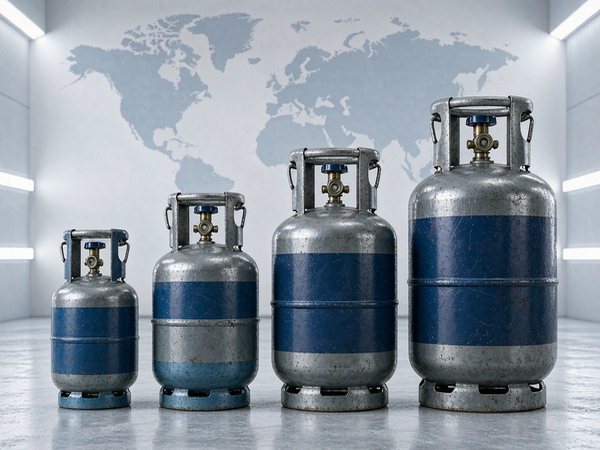
For importers comparing LPG cylinder sizes, the common choices are the 20lb propane cylinder, the 14.2kg LPG cylinder and larger propane tank sizes — each tied to a different market and a different set of gas cylinder specifications.
For a buyer sourcing across markets, misunderstanding size is expensive. Order the wrong specification and you face customs delays, rejection at inspection, or a product that simply does not fit the local regulator and refill infrastructure. This guide decodes the world’s common cylinder sizes and explains what actually determines them.
Why Sizes Differ at All
Cylinder size is shaped by three forces. First, regulation: each country defines approved dimensions, wall thickness, test pressures and marking requirements. Second, logistics: cylinders are heavy, and local distributors optimize around what their vehicles, depots and handling equipment can move efficiently. Third, consumer behaviour: a household cooking three meals a day in a dense city has very different needs from a restaurant or a rural workshop.
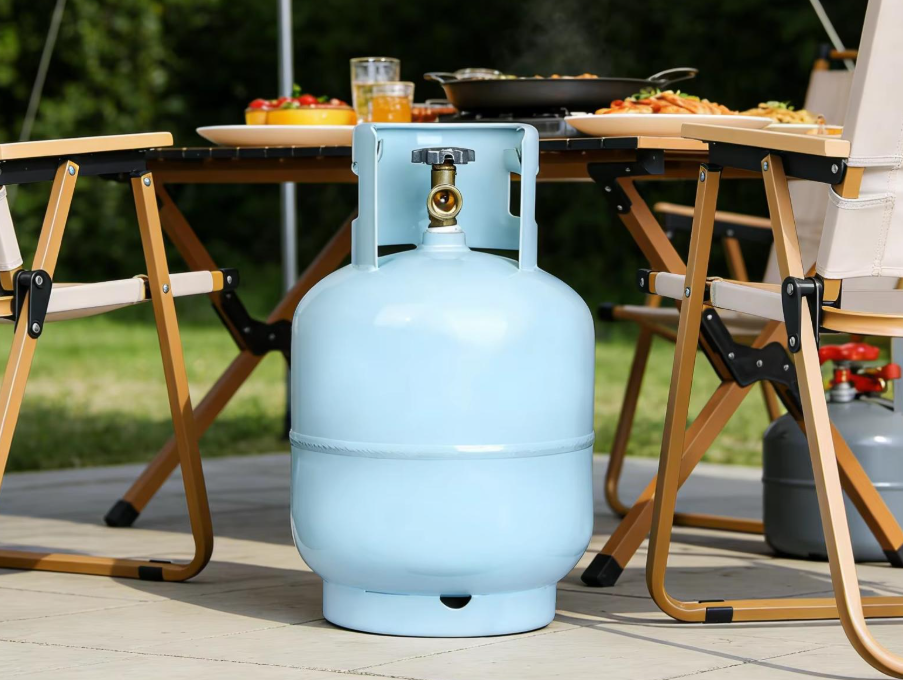
The result is a patchwork of “standard” sizes that are standard only within a given region. A 20lb propane cylinder is ubiquitous in North American backyards. A 14.2kg cylinder is the familiar cooking bottle across much of Asia. A 13kg cylinder dominates European households. None is universally right.
North America: Pounds and Gallons
The United States and Canada quote cylinder capacity in pounds of propane, not in volume. Common sizes include:
- 20lb (about 9kg): the classic barbecue cylinder, roughly 4.7 gallons.
- 30lb (about 13.6kg): larger grass and patio heaters.
- 40lb (about 18kg): commercial equipment and RV use.
- 100lb (about 45kg): farms, construction and high-demand sites.
A critical detail: cylinders are filled to about 80 percent of water capacity to leave expansion space. A “20lb” cylinder holds roughly 20lb of propane when full, but its water capacity is closer to 27lb. Buyers who confuse the two misjudge both capacity and shipping weight. North American cylinders also require specific valve connections (POL, QCC) and DOT or TC certification.
Europe: Kilograms and the Exchange System
European markets generally quote net gas weight in kilograms. The UK commonly uses 13kg, 19kg and 47kg cylinders; many continental markets use 11kg, 13kg and 33kg. A distinctive European practice is the cylinder exchange scheme: consumers swap an empty bottle for a full one at a shop or depot, so the cylinder remains the supplier’s asset. This encourages standardized, durable, clearly marked bottles and a strong secondary market for inspection and refurbishment.
European cylinders must carry CE marking and meet EN standards such as EN 1442 for valves. Transport within the EU follows ADR rules, and colour conventions vary by country — another reason to specify rather than assume.
Asia: The 14.2kg Workhorse
Across China, India, Southeast Asia and parts of the Middle East, the 14.2kg LPG cylinder is the dominant household format. In India it is often called a 14.2kg domestic cylinder; in China the common household bottle is also around 14.2kg, with 5kg and 10kg sizes used for smaller households and commercial settings.
India’s LPG distribution is a useful case study in scale: hundreds of millions of households rely on refill cylinders, which has driven enormous investment in filling plants, distribution logistics and cylinder tracking. For a manufacturer, this means demand is less about exotic sizes and more about consistency, safety certification and unit cost at very high volume.
Africa and Latin America: Mixed and Practical
Across Africa, sizes from 3kg to 19kg coexist, with 5kg, 10kg, 13kg and 19kg among the most common. Smaller bottles suit affordability and manual handling in markets where door-to-door delivery dominates. Latin America uses a similar mix, with 10kg, 15kg and 45lb-type formats common in different countries.
In these markets, the economics of the cylinder itself matter intensely. A bottle may change hands many times and be refilled dozens of times before retirement, so durability and repairability often matter more than initial price.
What This Means for Buyers
The practical takeaway is that “size” is a system, not a dimension. It includes:
- Net gas weight versus water capacity.
- Valve thread and connection standard.
- Certification (DOT, TC, EN/CE, AS, SNI and others).
- Marking, colour and labelling rules.
- The refill and exchange infrastructure in the destination market.
Qingdao Evergreen Import and Export Co., Ltd. supplies cylinders into many of these regional systems, and one of the most common sourcing mistakes we see is a buyer specifying only the fill weight while ignoring the valve and certification package that makes the cylinder usable locally.
How to Specify Correctly
Start with the destination market, not the factory. Ask which sizes are actually refilled there, which valve connection is used, and which authority approves cylinders. Then request a written specification that states water capacity, tare weight, test pressure, valve type and marking. Finally, confirm that your supplier can provide the relevant certificates and that the production batch is traceable.
A cylinder that is technically sound but incompatible with the local refill network is a commercial failure. Getting the size system right at the specification stage avoids almost every downstream problem.
Quick Takeaways
- Cylinder sizes are regional systems, not universal standards.
- North America quotes pounds; Europe and Asia generally quote kilograms.
- Fill weight is not the same as water capacity — cylinders are filled to about 80 percent.
- Valve type and certification matter as much as the size itself.
- Specify for the destination market’s refill infrastructure.
Frequently Asked Questions
Why are LPG cylinders only filled to 80 percent?
To leave expansion space for the liquid as temperature rises. Filling fuller risks dangerous pressure build-up.
Can I use a European cylinder in North America?
Usually not without replacing the valve and confirming certification. Local rules govern what may be filled and used.
Which cylinder size is most common globally?
The 14.2kg household bottle is probably the most widely used by number of units, especially across Asia.
Does colour indicate size?
Sometimes, but colour conventions vary by country and brand. Always read the marking rather than relying on colour.
| About Qingdao Evergreen Import and Export Co., Ltd. Qingdao Evergreen Import and Export Co., Ltd. manufactures and exports LPG cylinders, valves and gas fittings to markets worldwide, supporting buyers with region-specific specifications, certification and reliable supply. |
The bottom line: choose the size system of the destination market, not the one that looks familiar at home.