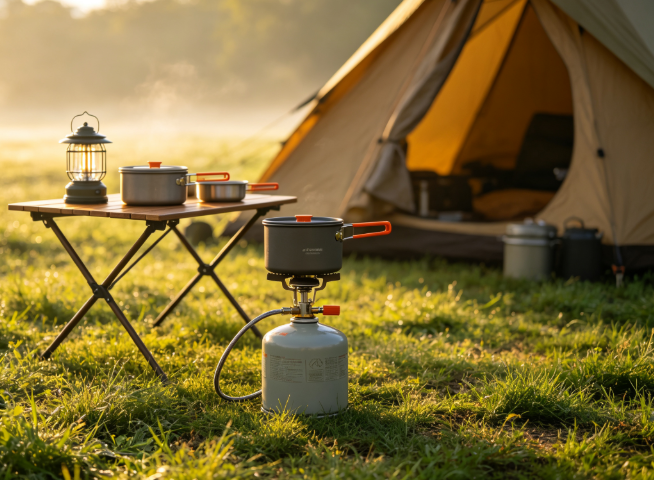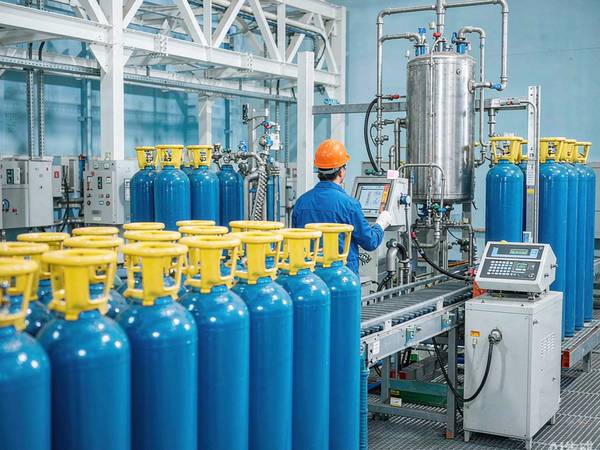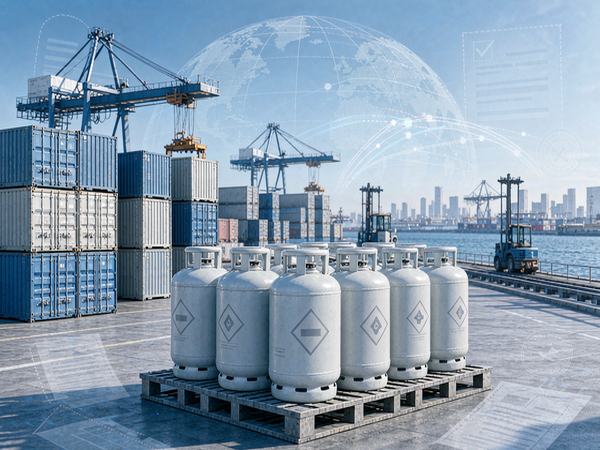

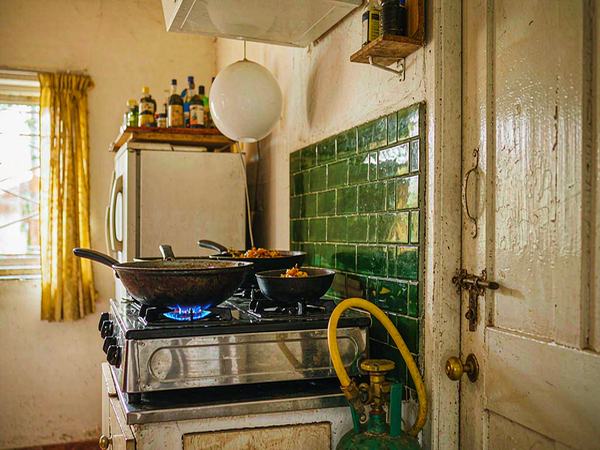
For households switching to clean cooking fuel, the decision comes down to choosing the right cooking gas cylinder, a dependable supplier, and the total LPG cylinder price — including the household LPG cylinder and a compatible LPG stove.
This is one of the fastest-growing demand drivers in the LPG industry, and it is reshaping how cylinders are manufactured, distributed and financed.
The Scale of the Challenge
Roughly two to three billion people still rely on solid fuels such as wood, charcoal, crop residue or coal for cooking. Burning these fuels indoors produces severe household air pollution, which is linked to respiratory disease, heart disease and premature death. The World Health Organization has repeatedly identified household air pollution as a major global health risk.
The burden falls disproportionately on women and children, who spend the most time near the cooking area. Collecting fuel also consumes hours that could be spent on work or education. Clean cooking is therefore not just an energy issue — it is a development issue.
LPG is one of the most practical clean cooking solutions available today. It burns cleanly, is easy to transport, lights instantly, and can be delivered in cylinders to households that are not connected to a gas grid.
Why Cylinders Are the Critical Link
Pipelines do not reach most rural and peri-urban households in developing markets. Cylinders solve that problem. They turn gas into a portable, tradable product that can move through small distributors down to the last mile.
But the cylinder is also the bottleneck. A clean cooking programme succeeds or fails on whether people can:
- Afford an initial cylinder and regulator.
- Find a refill point nearby.
- Trust that the cylinder is safe and correctly filled.
- Get a replacement when a cylinder is damaged or condemned.
Where these conditions are met, adoption grows quickly. Where they are not, even subsidized gas fails to reach the people it was meant to help.
Financing the First Cylinder
The biggest barrier for many households is the upfront cost of the cylinder, regulator and stove — not the price of the gas itself. This has led to innovative models:
- Deposit systems, where the cylinder is rented or leased and returned when finished.
- Pay-as-you-go meters attached to cylinders, allowing small daily payments.
- Microfinance schemes that spread the initial cost over months.
- Subsidy programmes targeting low-income households.
Each model has implications for cylinder design. Leased cylinders need robust tracking, durable markings and a long service life because they circulate continuously. Pay-as-you-go systems need reliable valves and meters. High-cycle fleets need cylinders that tolerate repeated handling and refilling.
Qingdao Evergreen Import and Export Co., Ltd. has supplied cylinders into clean cooking programmes across several regions, and the lesson is consistent: the cheapest cylinder is rarely the right choice for a high-turnover distribution system. Durability and traceability pay for themselves.
The Role of Safety and Quality
As cylinder volumes expand in new markets, safety becomes the deciding factor in long-term success. A single high-profile accident can undermine public confidence in an entire programme.
That makes the following non-negotiable:
- Cylinders manufactured to recognized standards and properly certified.
- Reliable valves with correct threads and pressure ratings.
- Clear, permanent marking for traceability.
- Regular inspection and requalification of cylinders in circulation.
- Trained filling operators and calibrated equipment.
- Public education on safe storage and connection.
Poor-quality cylinders, counterfeit valves and informal refilling are the enemies of clean cooking expansion. Investing in quality at the start is far cheaper than rebuilding trust later.
Environmental and Economic Benefits
The environmental case for LPG is strong. It produces far less smoke and particulate matter than solid fuels, and modern stoves are highly efficient. While LPG is still a fossil fuel, replacing open fires with LPG delivers immediate local air quality improvements and reduces deforestation pressure in areas where fuelwood is scarce.
Economically, the effects ripple outward. Reliable cooking fuel lets households save time, allows small food businesses to operate longer hours, and supports a network of local jobs in distribution, refill and repair. Governments also benefit from reduced healthcare costs and improved energy access metrics.
What This Means for Manufacturers and Buyers
Demand from clean cooking programmes tends to be large, repetitive and price-sensitive — but not in the way many suppliers assume. Buyers in this sector care deeply about unit cost, but they care equally about consistency, certification and delivery reliability. A delayed shipment can stall a nationwide distribution rollout.
Successful suppliers in this space tend to share certain traits:
- The ability to produce high volumes to a consistent specification.
- Experience with the certification required in the destination market.
- Cylinders designed for repeated handling and long service life.
- Clear marking and tracking features.
- Flexible supply arrangements that match programme timelines.
Quick Takeaways
- Billions of people still cook with solid fuels, creating a major health burden.
- LPG cylinders are the practical last-mile solution where gas grids do not reach.
- Upfront cylinder cost is the main adoption barrier, driving leasing and pay-as-you-go models.
- High-cycle distribution fleets need durable, traceable, certified cylinders.
- Safety and quality determine whether clean cooking programmes succeed long term.
Frequently Asked Questions
Why is LPG considered a clean cooking fuel?
It burns with little smoke or particulate matter compared with wood, charcoal or coal, and modern stoves use it efficiently.
What is the biggest barrier to LPG adoption?
Usually the upfront cost of the cylinder, regulator and stove, rather than the price of the gas itself.
How do pay-as-you-go cylinder systems work?
A meter on the cylinder tracks usage and allows small payments, reducing the need for a large initial outlay.
Are LPG cylinders safe in high-volume programme use?
Yes, when cylinders are certified, properly maintained and filled by trained operators using calibrated equipment.
| About Qingdao Evergreen Import and Export Co., Ltd. Qingdao Evergreen Import and Export Co., Ltd. manufactures and exports LPG cylinders, valves and gas fittings to markets worldwide, supporting buyers with region-specific specifications, certification and reliable supply. |
The bottom line: a clean cooking programme is only as strong as the cylinder that delivers the gas to the household.