
Getting the numbers wrong on a cylinder is more than a paperwork error: cylinder water capacity defines the maximum volume a bottle can hold, cylinder tare weight is the empty weight used in every fill calculation, LPG fill weight determines how much gas a customer receives, and a correct cylinder volume calculation underpins safe filling, accurate pricing and legal compliance.
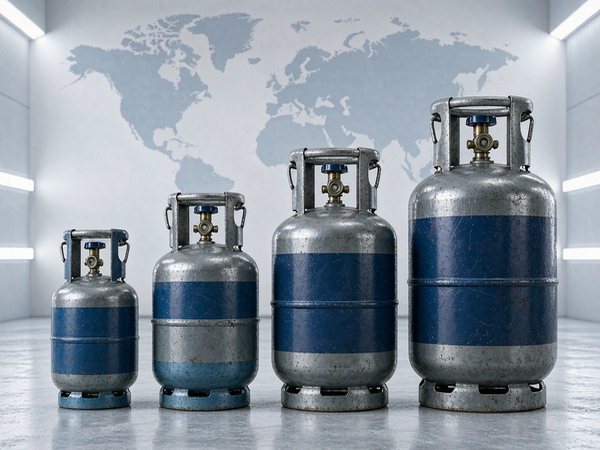
Buyers who only compare cylinders by their nominal size — 20lb, 14.2kg, 13kg — often miss the technical details that determine whether a cylinder can be filled correctly and safely in a given market.
Water Capacity vs Gas Capacity
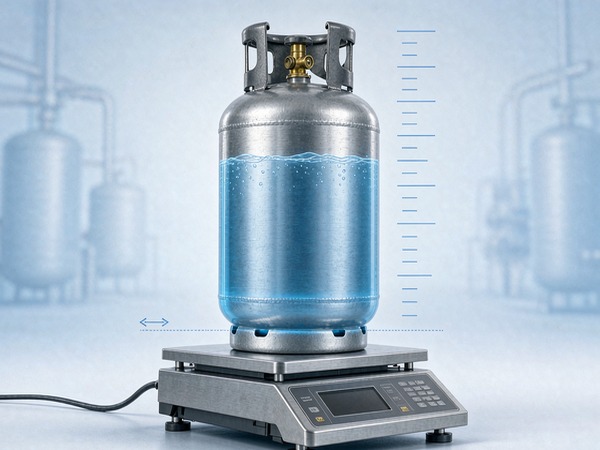
Water capacity is the total internal volume of a cylinder, expressed as the weight of water it would hold when completely full. It is a measure of volume, not of gas.
Gas capacity is smaller because cylinders are never filled completely. LPG expands with temperature, so filling to roughly 80 percent of water capacity leaves the vapour space needed for safe operation.
For example, a cylinder with a water capacity of about 27 pounds typically holds around 20 pounds of propane. A buyer who mistakes the two numbers will misjudge both the product specification and the shipping weight.
This distinction is fundamental. Any serious cylinder specification states the water capacity explicitly.
What Tare Weight Means
Tare weight is the weight of the empty cylinder, including the valve and collar but excluding gas. It is stamped permanently on the cylinder and is used at every fill.
At a filling plant, the operator weighs the cylinder before and after filling. The difference is the gas delivered. An accurate tare weight is therefore essential to correct filling.
A common method is:
- Weigh the full cylinder.
- Subtract the stamped tare weight.
- The result is the net gas weight.
If the tare weight is wrong, the cylinder is either overfilled or underfilled. Overfilling is a safety hazard; underfilling cheats the customer.
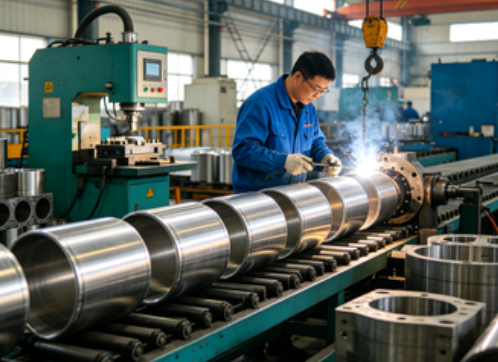
Qingdao Evergreen Import and Export Co., Ltd. stamps accurate tare weights on every cylinder and verifies them during production, because this single number is used thousands of times over a cylinder’s service life.
How LPG Fill Weight Is Determined
Fill weight depends on three inputs:
- Water capacity.
- The maximum filling percentage allowed by regulation.
- The density of the specific LPG mixture at the filling temperature.
The calculation is essentially: fill weight = water capacity × allowed filling percentage × density factor.
In practice, filling plants use calibrated scales and predefined limits rather than performing calculations manually for each cylinder. But the principle matters, because it explains why fill limits change with temperature and why different gases have different limits.
Propane and butane have different densities, so the same cylinder can legally hold different weights depending on the gas mixture. Markets with seasonal gas blends may adjust fill limits accordingly.
Why Volume Calculation Matters for Buyers
A correct cylinder volume calculation matters in several ways:
- Specification: confirming that a cylinder meets the ordered capacity.
- Shipping: calculating freight and container loading weights.
- Compliance: verifying that filled cylinders meet local limits.
- Pricing: ensuring customers pay for the gas they receive.
- Safety: preventing overfill in hot conditions.
Buyers should request water capacity, tare weight and maximum permitted fill from the supplier in writing, rather than relying on a nominal size alone.
Common Errors and Misunderstandings
Several mistakes appear repeatedly:
Confusing nominal size with water capacity: a “20lb” cylinder does not have a 20lb water capacity.
Using an incorrect tare weight: older cylinders may have lost coating or hardware, changing their actual empty weight. Reweighing during inspection catches this.
Ignoring temperature: a fill that is correct in winter may be an overfill in summer if limits are not adjusted.
Mixing units: kilograms, pounds, litres and gallons are all used in different markets. Conversion errors cause real compliance problems.
Assuming all LPG behaves the same: propane and butane have different densities and vaporisation characteristics.
How to Verify the Numbers
Practical checks include:
- Compare the stamped tare weight with a measured empty weight.
- Confirm water capacity against the manufacturer’s specification.
- Review the filling plant’s scale calibration records.
- Check that fill limits match local regulation.
- Ensure the stamped data matches the certificate and packing list.
These checks are quick and prevent a wide range of downstream problems.
Gas Cylinder Weight in Logistics
For exporters, gas cylinder weight affects freight cost and container planning. Empty cylinders are heavy, and a container can reach its weight limit before its volume limit. Accurate tare weight data is therefore essential for efficient shipping.
Buyers should also account for residual gas. Cylinders shipped after use may contain small amounts of product, which changes the weight and may trigger dangerous goods requirements.
Quick Takeaways
- Water capacity is internal volume expressed as the weight of water.
- Tare weight is the empty weight used in every fill calculation.
- Cylinders are filled to about 80 percent of water capacity, not 100 percent.
- Fill weight depends on capacity, filling percentage and gas density.
- Always specify water capacity and tare weight in writing.
Frequently Asked Questions
What is the difference between water capacity and gas capacity?
Water capacity is the full internal volume; gas capacity is lower because cylinders are filled only to about 80 percent.
Why is tare weight stamped on the cylinder?
So filling operators can calculate the net gas weight accurately at every refill.
Can fill weight change with temperature?
Yes. Regulations often require lower fill percentages in hot conditions to allow for expansion.
Does propane weigh the same as butane?
No. They have different densities, so the same cylinder holds different weights of each.
| About Qingdao Evergreen Import and Export Co., Ltd. Qingdao Evergreen Import and Export Co., Ltd. manufactures and exports LPG cylinders, valves and gas fittings to markets worldwide, supporting buyers with region-specific specifications, certification and reliable supply. |
The bottom line: the numbers stamped on a cylinder decide whether every fill is safe, accurate and legal.