Cold weather changes everything about gas distribution: winter LPG cylinders are consumed faster, heating propane cylinders face pressure and vaporisation limits, a reliable cold season gas supply depends on planning months ahead, and any disruption to winter gas bottle supply hits households and businesses at the worst possible time.
For distributors, the seasonal pattern is both a challenge and an opportunity. LPG winter demand can rise sharply in heating markets, while demand in cooking-focused markets may remain relatively flat. Understanding the difference is essential for inventory and cylinder planning.
Why Winter Demand Spikes
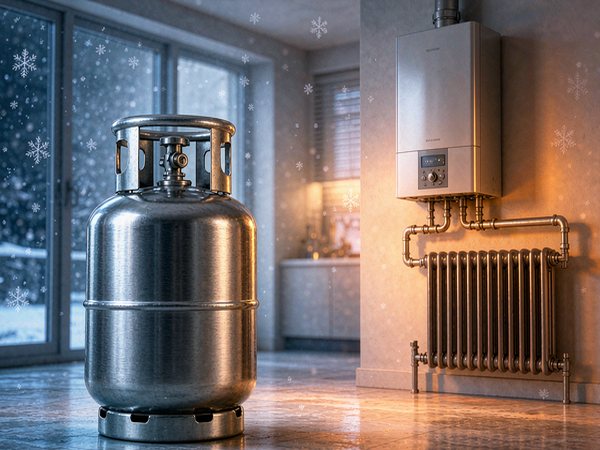
In colder regions, LPG is used for space heating, water heating and sometimes as a backup when electricity fails. Heating loads are far larger than cooking loads, so a household that uses one cylinder every few weeks in summer may consume several in a week during winter.
The spike is amplified by:
- Lower temperatures increasing heating demand.
- Shorter days keeping people indoors longer.
- Holiday cooking and entertaining.
- Power outages driving emergency demand.
- Reduced refill activity during bad weather.
A supply chain that works comfortably in summer can break under winter demand.
The Physics of Cold Weather Propane
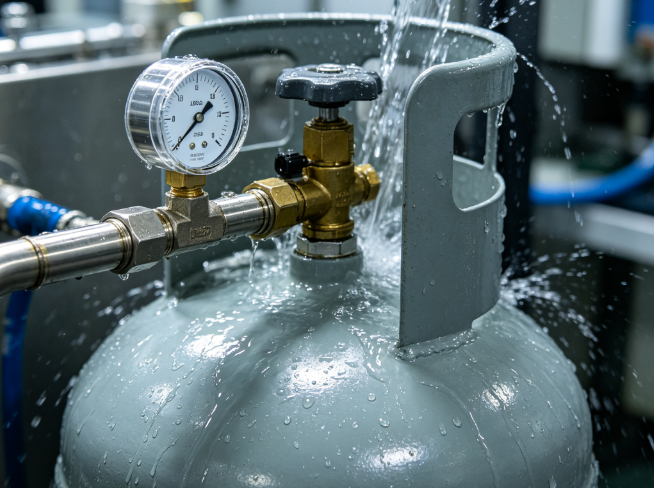
Propane performs well in cold conditions, but it has limits. As temperature falls, the pressure inside the cylinder drops because less liquid vaporises. At very low temperatures, vaporisation may not keep up with appliance demand, causing loss of flame or pilot light failure.
This is why heating propane cylinders in cold climates are sometimes larger, fitted with regulators rated for low temperatures, or placed in protected enclosures. It is also why users must never use direct heat to warm a cylinder — a common and dangerous practice.
Key practical points:
- Keep cylinders clear of snow and ice.
- Never apply open flames or heaters to a cylinder.
- Use the correct regulator for low-temperature operation.
- Ensure adequate cylinder size for the appliance load.
- Store cylinders upright in ventilated areas.
Vaporisation and Cylinder Size
A cylinder’s ability to supply gas depends on its surface area and the temperature. A small cylinder may not vaporise enough gas for a high-demand heating appliance, even if it contains sufficient liquid.
In cold markets, this is a frequent source of complaints that are misdiagnosed as cylinder defects. The real issue is that the cylinder is too small for the load at that temperature.
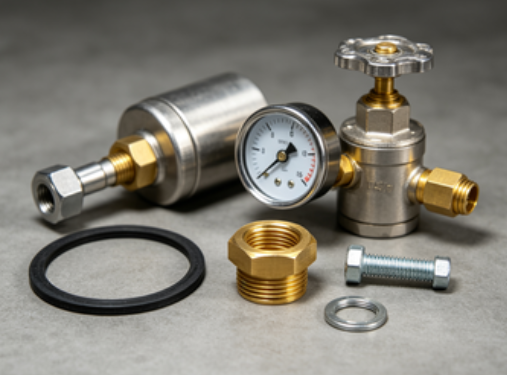
Buyers supplying heating markets should specify larger cylinders and confirm that the valve and regulator combination supports the required flow rate.
Planning the Cold Season Gas Supply
Winter preparation starts months in advance:
- Forecast demand using previous winter data.
- Build inventory of full cylinders before the cold arrives.
- Ensure enough cylinders are in circulation, not just at the plant.
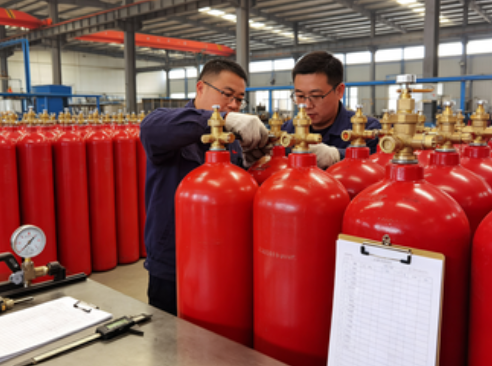
- Schedule requalification well before peak season.
- Check valves and regulators across the fleet.
- Arrange reliable transport despite weather disruption.
- Train staff on cold-weather safety.
Qingdao Evergreen Import and Export Co., Ltd. works with distributors in seasonal markets, and the consistent lesson is that cylinder availability matters as much as gas availability. A full plant with no empty cylinders to fill is useless during a cold snap.
Winter Gas Bottle Supply Challenges
Common operational problems include:
- Refill plants unable to cope with queues.
- Transport delays from snow or road restrictions.
- Cylinders freezing at customer sites.
- Higher rates of damaged valves from frozen connections.
- Increased safety incidents from indoor storage and improper heating attempts.
Each of these can be reduced with planning, training and clear customer communication.
Storage and Safety in Winter
Winter creates specific risks:
- Never store cylinders in enclosed living spaces.
- Do not use heaters to thaw regulators or valves.
- Clear snow from cylinder tops so markings remain visible.
- Check for frost damage on valves and hoses.
- Ensure ventilation in any area where gas is burned.
Carbon monoxide poisoning is a serious risk in winter when gas appliances are used in poorly ventilated spaces. Customer education is as important as equipment quality.
Regional Differences
LPG winter demand varies greatly by market. In Europe and North America, heating is a major driver. In parts of Asia and Africa, LPG is mainly a cooking fuel, so seasonal variation is smaller and driven more by holidays and weather-related logistics.
A distributor serving multiple markets should not assume the same seasonal pattern applies everywhere. Local consumption data is the only reliable guide.
Commercial Opportunities
Seasonal demand creates opportunities as well as risks. Distributors can:
- Offer winter service packages with regulator checks.
- Promote larger cylinders for heating customers.
- Provide emergency supply arrangements.
- Educate customers on efficient use.
- Build loyalty through reliable winter service.
Reliability during the cold season is a powerful differentiator. Customers remember who delivered when they needed gas most.
Quick Takeaways
- Heating demand can multiply cylinder consumption in cold months.
- Low temperature reduces cylinder pressure and vaporisation rate.
- Never heat a cylinder to improve gas flow — it is dangerous.
- Plan cylinder inventory, not just gas inventory, before winter.
- Winter reliability is a major competitive advantage.
Frequently Asked Questions
Why does my propane cylinder lose pressure in winter?
Low temperature reduces vaporisation. The cylinder may still contain liquid, but it cannot vaporise fast enough to meet demand.
Can I store a cylinder indoors in winter?
No. Store it upright in a ventilated, protected location away from living areas and heat sources.
What size cylinder is best for heating?
It depends on the appliance load and local temperature. Larger cylinders generally vaporise better in cold conditions.
How early should distributors prepare for winter?
Several months in advance, with cylinder inventory, requalification and transport arrangements in place.
| About Qingdao Evergreen Import and Export Co., Ltd. Qingdao Evergreen Import and Export Co., Ltd. manufactures and exports LPG cylinders, valves and gas fittings to markets worldwide, supporting buyers with region-specific specifications, certification and reliable supply. |
The bottom line: winter rewards the prepared — the cylinder plan matters as much as the gas plan.