
When the cylinder price of a steel LPG cylinder changes, it is usually the market for pressure vessel steel moving — and buyers need to understand how that affects final cylinder cost and steel cylinder grade before comparing any manufacturer quote.
Understanding how steel prices affect cylinder pricing helps buyers plan budgets, time purchases and negotiate more intelligently. It also separates genuine cost-driven price changes from opportunistic ones.
Where Steel Sits in the Cost Structure
For a typical steel LPG cylinder, raw material commonly accounts for roughly half of the ex-factory cost, sometimes more depending on the grade and the market cycle. The remaining cost is made up of forming and welding, valve and fittings, coating, testing, labour, overhead and margin.
This means a 20 percent move in steel prices can translate into roughly a 10 percent move in the finished cylinder cost, before any change in other inputs. That is a material number for a large order.
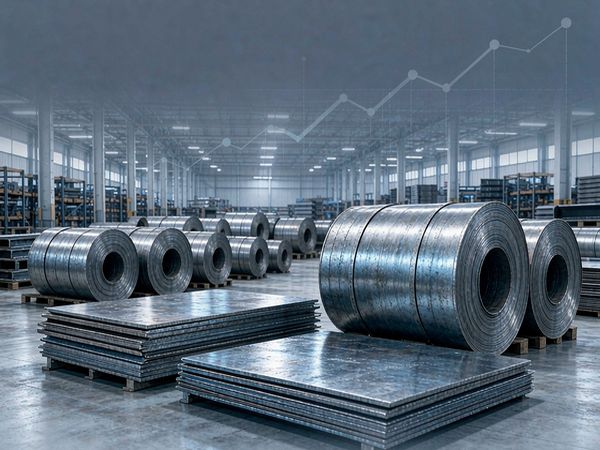
Steel used in cylinders is not generic. Cylinders are commonly made from high-strength pressure vessel steel grades selected for formability, weldability and strength. When those specific grades tighten in supply, the effect can be stronger than a general movement in the steel index.
What Drives the Volatility
Several forces interact:
- Global demand, especially from construction, automotive and infrastructure.
- Iron ore and coking coal prices.
- Energy costs at steel mills.
- Trade policy, tariffs and anti-dumping measures.
- Currency movements, which change the effective price for importers and exporters.
- Mill maintenance and supply disruptions.
Because demand for cylinders is itself tied to energy markets, buyers sometimes face the uncomfortable situation where gas prices, steel prices and freight costs all move at once.
How Manufacturers Respond
Manufacturers have a limited set of tools. They may hold inventory of steel bought at earlier prices, adjust production schedules, renegotiate with mills, or absorb part of the movement in margin. None of these works indefinitely.
Qingdao Evergreen Import and Export Co., Ltd. manages this exposure through a combination of forward planning, supplier relationships and transparent communication with customers. In a volatile market, the most useful thing a supplier can do is explain clearly what is driving a price change rather than simply announcing one.
For buyers, the practical implication is that a quote is a snapshot, not a permanent promise. Long quotations with fixed prices in a rising market are rarely sustainable, and a supplier who refuses to discuss a price adjustment mechanism is usually storing up a problem for later.
Contract Structures That Work
Experienced buyers use a few approaches to manage this risk:
- Short quote validity periods, with prices reviewed monthly.
- Price adjustment clauses tied to a published steel index.
- Framework agreements that fix volume and quality but review price periodically.
- Forward purchasing when the market is favourable.
- Staggered orders to average out price movements.
The right structure depends on the buyer’s risk tolerance and the size of the order. A small spot purchase may simply accept the current price. A multi-year supply programme needs a defined mechanism.
What Buyers Should Watch
A few indicators help anticipate direction:
- Benchmark hot-rolled coil and plate prices in the supplying region.
- Iron ore and coking coal futures.
- Mill capacity utilization and announced price increases.
- Freight rates, which can amplify or offset material moves.
- Exchange rates between your currency and the supplier’s.
You do not need to become a steel analyst. Tracking two or three of these indicators is enough to understand whether a supplier’s price change is reasonable.
Separating Fair Changes From Unfair Ones
A legitimate price increase will usually be supported by visible market movement and a clear explanation. A questionable one tends to arrive without evidence, applies selectively, or is much larger than the underlying input change.
Ask for the basis. A credible supplier can point to the grade of steel, the size of the move and how it affects the specific cylinder. If the explanation is vague, ask again in writing.
There is also a quality dimension. If a supplier holds price steady while the market rises sharply, it is worth checking whether the steel grade or wall thickness has quietly changed. Consistent pricing in a rising market is not always good news.
The Bigger Picture
Steel volatility is a permanent feature of this industry, not a temporary problem. The buyers who handle it best are those who treat it as a normal part of sourcing rather than an exception. They build relationships with suppliers who communicate openly, use sensible contract structures and maintain enough flexibility to adjust timing.
Cheap cylinders bought at the wrong moment can cost more than expensive cylinders bought at the right one. Timing, transparency and trust matter as much as the number on the quote.
Quick Takeaways
- Steel can represent around half of a steel cylinder’s factory cost.
- A 20 percent steel move can shift cylinder cost by roughly 10 percent.
- Pressure vessel grades can move independently of general steel indices.
- Use price adjustment clauses or short quote validity for large contracts.
- Always ask for the basis of a price change — and watch for quiet spec changes.
Frequently Asked Questions
Why do cylinder prices change when steel prices move?
Because steel is the largest single input, so material cost movements pass through to the finished product.
How can I protect my budget from volatility?
Use framework agreements with index-linked pricing, short quote validity or staggered purchasing.
Can a supplier keep prices stable during a rising market?
Only for a limited period, usually by using existing inventory or accepting lower margin. Eventually prices must adjust.
Should I buy extra inventory when prices are low?
It can save money, but weigh it against storage cost, cash flow and the risk of price declines.
| About Qingdao Evergreen Import and Export Co., Ltd. Qingdao Evergreen Import and Export Co., Ltd. manufactures and exports LPG cylinders, valves and gas fittings to markets worldwide, supporting buyers with region-specific specifications, certification and reliable supply. |
The bottom line: in a volatile steel market, transparency is worth as much as the price on the quote.