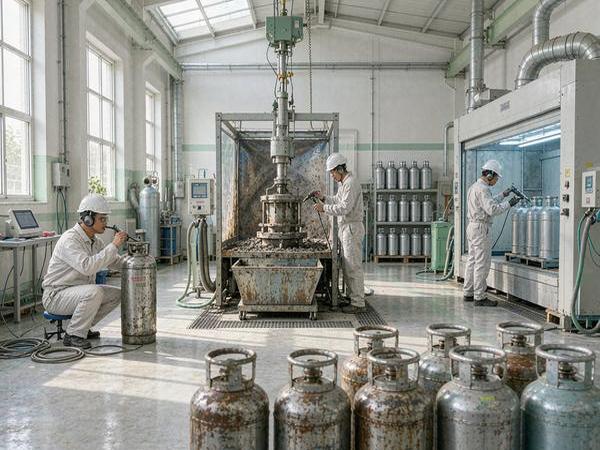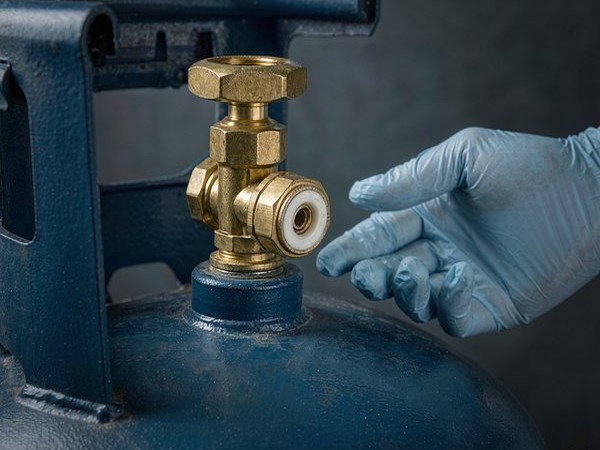
It is the smallest component on the cylinder, and one of the most expensive to get wrong. A valve may represent a tiny fraction of a cylinder’s material cost, but it controls flow, seals the container, carries the safety relief function and takes the daily punishment of connection and disconnection. When it fails, nobody cares how good the steel was.
Distributors learn this lesson in different ways. Some discover it through a leak call from a customer. Others find it during a customs inspection when valve certificates do not match the fitted components. The unlucky ones learn it after a shipment has already been delivered and a batch of valves starts failing in the field.
The pattern is almost always the same: cost pressure leads to a valve substitution that nobody fully audited.
Why Valves Are a System Component, Not an Accessory
A cylinder valve is not a generic fitting. It is part of the certified assembly. Its thread form, pressure rating, relief settings, materials and sealing design must match both the cylinder and the gas service.
Change the valve and you can change:
- The sealing behaviour at the connection point.
- The pressure at which the relief device activates.
- The compatibility with the filling equipment.
- The compatibility with the customer’s regulator.
- The legal compliance of the complete cylinder.
This is why a cylinder that passes inspection with one valve can become non-compliant when a different valve is fitted — even if the new valve looks identical and physically screws in.
The Most Common Substitution Mistakes
- Wrong thread specification
Threads that appear similar can have different pitches, sealing methods or pressure ratings. A cross-threaded or mismatched connection may feel tight initially and leak under thermal cycling or vibration.
- Missing or incorrect relief device
The relief device protects the cylinder from overpressure. A valve with the wrong relief setting, or no relief device where one is required, removes a critical safety layer.
- Incompatible materials
Valve bodies and seats must be compatible with LPG and with local gas composition. Cheap substitutes may use materials that degrade, swell or crack over time.
- Unverified markings
A valve marked for one standard may be sold into a market requiring another. Without checking the certificate scope, buyers assume equivalence that does not exist.
- Mixed batches
A shipment may contain valves from two suppliers if a production run ran short. Unless this is documented and approved, it breaks traceability.
The Financial Logic That Goes Wrong
Valve substitution usually starts with a reasonable-looking number. Saving a small amount per cylinder across a large order appears to improve margin significantly. What the calculation often ignores is the cost of failure.
A single field leak can trigger a site visit, a customer complaint, a batch recall and a loss of confidence that affects future orders. A customs discrepancy can hold a container for weeks. A safety incident can involve regulators and legal exposure. Against those outcomes, the per-unit saving looks trivial.
The correct comparison is not valve A versus valve B. It is the cost of a certified, traceable valve versus the expected cost of a valve-related failure multiplied by the number of cylinders in the field.
How to Audit a Valve Supply Chain
Start with four questions.
Who actually made the valve?
Not the trading company, not the agent — the manufacturer. Verify that the factory is identifiable and that its approvals are current.
Does the certificate match the exact model?
Certificates often cover a family of products. Confirm that the specific valve in your cylinders is inside the scope, including thread type and relief configuration.
Can the batch be traced?
Every valve batch should be linked to production records, tests and the cylinders it was fitted to. If the link breaks at the assembly stage, recall capability disappears.
Was the valve stored and handled correctly?
Valves are precision components. Exposure to dust, moisture, impact or incorrect storage can damage sealing surfaces before installation. Ask about storage conditions and incoming inspection.
Receiving Checks That Catch Problems Early
When a shipment arrives, inspect a sample of valves before accepting the cylinders:
- Check markings against the certificate.
- Inspect threads for damage or contamination.
- Confirm the relief device is present and correctly specified.
- Look at sealing surfaces and seat condition.
- Compare weight and dimensions against an approved sample.
If anything is inconsistent, expand the sample or reject the batch. It is much cheaper to resolve a valve issue at the depot than at a customer site.
The Spare Parts Problem After Import
Many valve problems appear after the cylinders have entered service. A distributor runs out of original valves, buys a locally available alternative, and fits it during refurbishment. The cylinder body remains compliant; the assembly may not.
Every replacement valve should be checked against the original specification and the applicable approval. If an equivalent is not available, the cylinder should be withdrawn from service rather than fitted with a guess.
This is where digital cylinder records help. If each cylinder’s record lists the approved valve specification, a technician can check before substitution instead of relying on memory.
What Good Suppliers Do Differently
Reliable suppliers treat valves as a controlled item. They maintain an approved vendor list, audit valve factories, keep batch records, perform incoming inspection and document the link between valve batches and cylinder batches.
They also flag changes. If a valve supplier changes a component or a manufacturing process, the cylinder producer should notify customers rather than quietly switching. Silence about changes is a warning sign.
The Compliance Dimension
Regulators increasingly look at complete cylinder assemblies, not just shells. A valve that is not approved for the destination market can invalidate the compliance of the entire shipment. Documentation that lists the cylinder but omits the valve is incomplete.
For exporters, the practical rule is simple: if the valve needs to be declared, declare it accurately. If the certificate does not cover it, do not ship it.
Quick Takeaways
- A valve is part of the certified cylinder assembly, not a generic spare part.
- Small savings on valves can create very large failure and compliance costs.
- Verify manufacturer, exact model, certificate scope and batch traceability.
- Inspect valves on receipt and control spare parts after import.
- Treat any unannounced valve change as a serious issue.
Frequently Asked Questions
Can I replace a valve with a visually identical one?
Only if it is approved for that cylinder and market and the replacement is documented. Appearance is not proof of equivalence.
What is the most common valve-related failure?
Leakage at the connection caused by wrong thread, damaged sealing surface or incorrect installation.
Do valve certificates expire?
Approvals can be withdrawn or superseded, so check current status rather than relying on an old copy.
Who should pay when a valve batch fails?
That depends on contracts, but the distributor usually bears the customer-facing cost. Strong incoming inspection reduces the exposure.
The bottom line: the valve is where cylinder quality meets real-world handling. Get it right and it disappears into the background. Get it wrong and it becomes the only thing anyone talks about.