Why this matters
- Smart cylinders give every bottle a unique digital identity and custody record.
- QR, RFID and NFC solve different problems; start simple and scale up.
- Custody data — not just location — is where the commercial value sits.
For decades, the humble LPG cylinder has been one of the least visible assets in the energy supply chain. It leaves the plant, disappears into a distribution network, reappears at a customer’s door, and eventually comes back — often with no reliable record of what happened in between. That blindness is finally ending. In 2026, smart cylinder technology has moved from pilot projects into real fleet deployments, and the change is more commercial than technological.
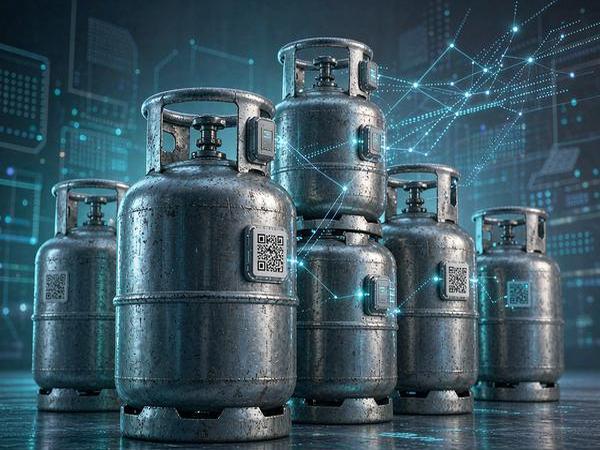
The basic idea is simple: give every cylinder a digital identity and make that identity readable at every handover. QR codes, RFID tags and NFC chips are the common tools. Add sensors and you can also track fill level, temperature, location and even abnormal behaviour. What emerges is not a fancy gadget — it is a ledger of custody that turns a dumb bottle into a managed asset.
Why Now, and Why It Matters
Three pressures converged to make smart cylinders viable.
First, cylinder theft and loss have become expensive enough to justify tracking. In many markets, a single commercial cylinder represents a meaningful capital item. Multiply that by thousands of units circulating through informal refill networks, and the annual loss number gets very large. A tag that costs a few dollars pays for itself if it saves one cylinder.
Second, regulators are asking harder questions. Authorities increasingly want evidence of test history, refill records and chain of custody. A paper stamp can be forged or lost; a unique digital ID linked to a database cannot be casually replaced.
Third, customers have changed. Restaurants, hotels, construction sites and retail chains now expect delivery visibility similar to what they get from parcel couriers. “Where is my gas?” is a reasonable question in 2026, and a distributor without an answer looks outdated.
The Technology Stack, Without the Jargon
You do not need a PhD in sensors to understand the options.
QR codes are the cheapest entry point. A durable, laser-marked code on the cylinder body can be scanned with a smartphone camera. It works well for refill proof of delivery and basic inventory checks. The downside is that someone has to scan it — it is not automatic.
RFID tags take automation further. A reader at the plant gate or on a service vehicle can capture dozens of cylinder IDs in seconds without line of sight. This is valuable for high-throughput depots where manual scanning would slow operations.
NFC sits between the two: tap a phone to the cylinder and the record appears. It is fast, secure and easy for drivers to use.
Connected sensors are the most advanced layer. They can report fill level and location continuously, enabling demand forecasting and theft alerts. They also cost more and require battery management, so they make sense first for high-value commercial cylinders rather than small household bottles.
Most successful deployments start simple — QR or RFID — and add sensors only where the data clearly changes a decision.
The Real Win: Custody, Not Just Location
Location tracking gets the attention, but custody tracking delivers the value.
Every time a cylinder changes hands — plant to depot, depot to van, van to customer, customer back to depot — a scan creates a record. Over time, that record answers questions that were previously guesses:
- How long does a cylinder spend at a customer site?
- Which routes have the highest loss rate?
- Which refill cycles are actually generating revenue?
- Which customers consistently return cylinders late?
- Where do damaged cylinders enter the system?
Those answers change operations. You can adjust deposit terms, redesign routes, target collection drives, and identify the exact point where cylinders disappear. A smart cylinder programme is less about the tag and more about the management decisions the data enables.
Theft and the Informal Refill Market
In many regions, cylinders leak into informal refill networks. A customer returns a bottle to an unauthorised filler, the original identifier is ignored, and the asset effectively vanishes from the official system.
Digital identity attacks this problem directly. If the barcode or tag is linked to a deposit and a service record, informal refilling becomes harder to hide. Some operators go further and use tamper-evident markings or valve caps that make unauthorised filling obvious.
This is not purely a technology issue. Customers sometimes use informal fillers because they are closer or cheaper. The answer is not just tagging — it is making the official refill experience convenient enough that customers choose it. Smart tracking helps here too, because it enables faster collections, accurate deposits and better service.
Integration Is Where Projects Succeed or Fail
Plenty of smart cylinder pilots fail for a mundane reason: the data has nowhere useful to go.
A scan that updates a spreadsheet nobody reads is worse than no scan at all, because it creates work without value. Before rolling out tags, make sure your systems can handle the basic workflow:
- A cylinder record exists for every unit in the fleet.
- Scans update that record automatically.
- Exceptions — damaged, overdue, missing — trigger a visible task.
- Managers see a simple dashboard, not a raw data dump.
- Drivers can scan quickly, even with poor connectivity offline.
Offline capability deserves special attention. Cylinders move through basements, rural sites and metal-heavy environments where mobile signal is unreliable. A system that stops working when the signal drops will be abandoned by field staff within a week.
The Compliance Angle Regulators Like
Digital traceability is increasingly viewed favourably by safety regulators because it supports recalls and inspections. If a valve batch is found defective, a distributor with digital records can identify every affected cylinder in hours instead of weeks. That capability is becoming a competitive advantage in tender processes, where proof of control matters as much as price.
For exporters, a clean digital history also simplifies cross-border documentation. Instead of assembling certificates manually for each shipment, the required data can be pulled from the cylinder’s record. This reduces errors and shortens clearance times.
Cost, Realistically
Tags, readers and software are not free, but the entry bar is lower than most people assume. A QR-based programme can be launched with minimal hardware — smartphones and a cloud database. RFID requires readers at fixed points but scales well. Sensors are the expensive tier and should be justified by a specific use case, usually high-value cylinders or remote customers.
A sensible approach is to model three numbers before investing: annual cylinder loss, average time spent locating cylinders, and revenue lost to late returns. If the tracking programme cannot plausibly improve at least one of those by a meaningful margin, it is not ready.
What This Means for Buyers
If you purchase cylinders, ask suppliers a new set of questions:
- Can each cylinder be uniquely identified?
- Is the identifier durable under refilling and handling?
- Does the supplier maintain a digital test and batch history?
- Can the data be exported into our system?
- What happens when a tag fails or becomes unreadable?
The last question is important. Tags get damaged. A good system has a clear recovery process rather than treating a broken tag as a lost cylinder.
The Bigger Shift
Smart cylinders are part of a broader move from selling gas to managing a service. The cylinder becomes the customer touchpoint — the thing that is delivered, collected, inspected and billed. Once you can see that asset clearly, you can run the business differently: dynamic deposits, usage-based billing, predictive refill scheduling and much tighter safety control.
The technology is no longer the barrier. The barrier is organisational willingness to use the data. Distributors who treat smart tracking as an IT project will struggle. Those who treat it as an operating model change will pull ahead.
Quick Takeaways
- Smart cylinders give every bottle a unique digital identity and custody record.
- QR, RFID and NFC solve different problems; start simple and scale up.
- Custody data — not just location — is where the commercial value sits.
- Offline scanning and exception handling are make-or-break details.
- Digital traceability strengthens safety compliance and recall readiness.
Frequently Asked Questions
Do smart cylinders need batteries?
Only if they use active sensors. QR, NFC and passive RFID need no power.
Can existing cylinders be retrofitted?
Often yes, with durable tags or laser-marked codes, subject to local rules about markings on pressure vessels.
Will tags survive repeated refilling?
Industrial-grade tags are designed for it, but placement matters. Avoid areas exposed to direct flame, heavy abrasion or valve handling.
Is this only for large fleets?
No. The benefits scale, but the simplest QR-based systems can work for a few hundred cylinders. The key is that someone acts on the data.
The bottom line: a cylinder you can identify is a cylinder you can manage. In a market where visibility is becoming a customer expectation, that is no longer a nice-to-have.