Every compliant cylinder carries a permanent record stamped into its metal: a cylinder stamp marking that identifies the manufacturer, a cylinder date stamp that records test and manufacture timing, a unique cylinder serial number for traceability, and other stamped cylinder data such as pressure ratings and standards. Learning to read LPG cylinder date markings takes minutes and can prevent serious mistakes.
Stamps are the cylinder’s identity card. They are stamped, not printed, precisely because paint wears off and labels fall away. For buyers, inspectors and filling operators, the stamp is the first thing to check — and the last word when a cylinder’s history is in question.
Where Markings Are Found
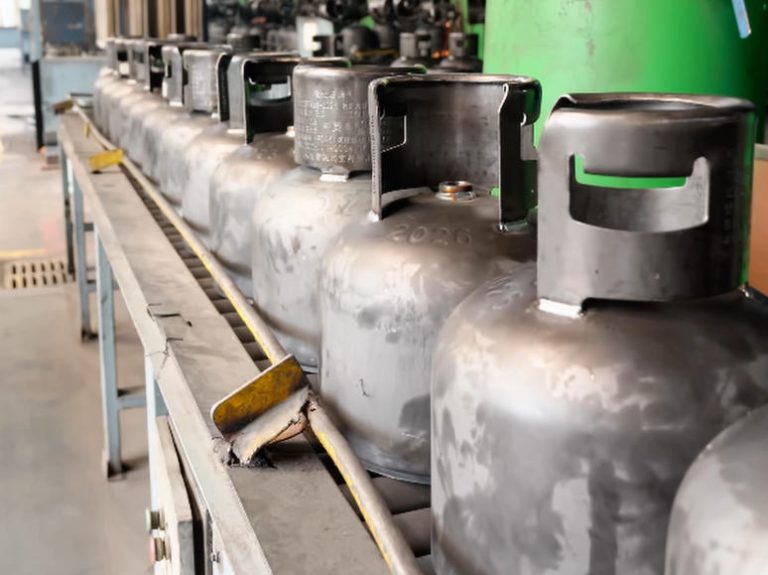
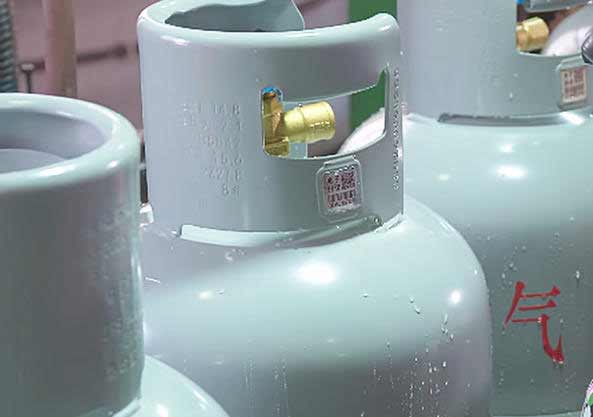
Markings are usually stamped on the collar, the shoulder or a dedicated stamped plate welded to the cylinder. The exact location depends on the standard and the manufacturer, but it is always designed to remain visible throughout the cylinder’s service life.
Common locations include:
- The top collar, which is protected and easy to read when the cylinder is upright.
- The shoulder, just below the valve guard.
- A metal data plate welded to the shell.
A cylinder whose markings are painted over, ground away or otherwise illegible should be treated as suspect. Traceability depends on that information.
What Each Stamp Means
A typical set of stamped cylinder data includes several distinct pieces of information:
Manufacturer’s mark: an approved symbol or code identifying who made the cylinder. This is how regulators trace a product back to its source.
Serial or batch number: a unique cylinder serial number that ties the bottle to a production batch and inspection records.
Test pressure: the pressure at which the cylinder was hydrostatically tested, usually stamped with a unit such as “TP 450 PSI” or a metric equivalent.
Date of manufacture or test: a cylinder date stamp showing month and year, often with a code. This determines requalification schedules and service-life limits.
Tare weight: the empty weight of the cylinder, essential for correct filling.
Standard designation: the code of the standard to which the cylinder was built, such as DOT, EN, AS or ISO.
Inspector or approval mark: an official stamp from the inspecting authority, where required.
Reading the Date Code
Date formats vary by standard and region. Some cylinders show the month and year directly, such as “05/22”. Others use a coded system where letters represent months and numbers represent years. A common convention uses letters A through M for January through December, followed by the last digit of the year.
Because formats differ, the safest approach is to consult the standard or the manufacturer’s documentation rather than guess. Misreading a date can lead to a cylinder being used beyond its approved life or retired prematurely.
Qingdao Evergreen Import and Export Co., Ltd. stamps every cylinder with clear, durable markings that meet the requirements of the destination market, because illegible data causes problems at every stage of a cylinder’s life.
Why Markings Matter Commercially
Markings are not just a regulatory formality. They affect the entire commercial lifecycle of a cylinder:
- Customs and inspection: authorities verify markings to confirm compliance.
- Filling: operators use the tare weight and test date to fill safely and legally.
- Fleet management: the serial number enables tracking, requalification scheduling and loss prevention.
- Resale and exchange: a readable stamp establishes provenance and value.
- Liability: markings identify the manufacturer and batch if a problem arises.
A cylinder with incomplete or unclear markings may be rejected at import, refused by a filling plant, or excluded from an exchange system.
Common Problems to Watch For
Several issues appear repeatedly in the field:
Faded or painted-over stamps: common when cylinders are repainted without protecting the marked area. This breaks traceability.
Inconsistent data: a test date that predates the manufacture date, or a serial number that does not match the paperwork, suggests tampering or a documentation error.
Missing approval marks: a cylinder may have manufacturer markings but lack the official inspection stamp required in the destination market.
Altered markings: grinding and restamping are red flags. Genuine markings are even, deep and consistent with the manufacturer’s style.
Confusing similar codes: standards from different regions use similar-looking symbols. A mark that looks familiar may belong to a different approval system.
Practical Checks for Buyers
When inspecting a shipment or a sample:
- Photograph the markings on every cylinder type ordered.
- Confirm the data matches the certificate and packing list.
- Check that markings remain legible after coating.
- Verify the date code format with the supplier in writing.
- Ensure the tare weight matches the actual empty weight within tolerance.
- Confirm that all required approval marks are present.
These checks take little time and catch a large share of documentation problems before they become customs issues.
Digital Traceability
Many operators now supplement stamped markings with barcodes, QR codes or RFID tags. These technologies speed up fleet management, but they do not replace the stamp. A digital tag can be lost or damaged; a stamped marking is permanent. The best systems use both — a physical stamp for identity and a digital tag for convenience.
Quick Takeaways
- Stamped markings are the cylinder’s permanent identity and cannot be replaced by labels.
- A standard set includes manufacturer mark, serial number, test pressure, date, tare weight and standard.
- Date code formats vary — verify the format rather than guessing.
- Illegible or altered markings are a serious red flag.
- Digital tags complement but never replace the stamped marking.
Frequently Asked Questions
Where is the date stamp usually located?
Commonly on the collar or shoulder, though some manufacturers use a welded data plate.
Can a cylinder be used if the stamp is unreadable?
Generally no. Most filling plants and regulations require legible identification.
What does the tare weight tell me?
It is the empty weight of the cylinder, used to calculate the correct amount of gas during filling.
Do all countries use the same date code?
No. Formats differ by standard and region, so confirm the system with the supplier.
| About Qingdao Evergreen Import and Export Co., Ltd. Qingdao Evergreen Import and Export Co., Ltd. manufactures and exports LPG cylinders, valves and gas fittings to markets worldwide, supporting buyers with region-specific specifications, certification and reliable supply. |
The bottom line: if you cannot read the stamp, you do not know what you have — and that is a problem at every stage.