
A new regulatory idea is moving from policy papers into real supply chains, and it will change how cylinders are documented, sold and compared. The Digital Product Passport, or DPP, is a digital record that travels with a product and contains the information needed to verify its compliance, origin, materials and environmental performance. For cylinder manufacturers and exporters, it is no longer a distant concept.
The driving force is the European Union’s Ecodesign for Sustainable Products Regulation, known as ESPR. It gives the European Commission power to require digital passports across product categories, and energy-related and metal products are firmly in scope. Even suppliers outside Europe will feel the effect, because customers who sell into Europe will demand the data from their supply chain.
What a Cylinder Product Passport Would Contain
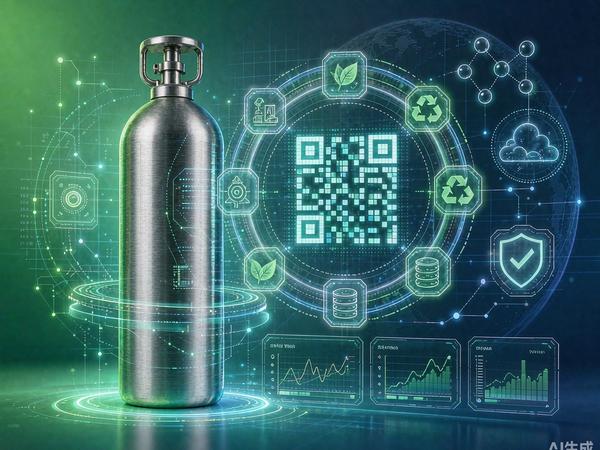
While the exact requirements are still being defined, the likely content is predictable. A cylinder passport would include identity and manufacturer information, manufacturing date and batch, material composition, applicable approvals and test records, repair and refurbishment history, and eventually environmental data such as recycled content and carbon footprint.
In other words, it pulls together information that serious manufacturers already collect — but requires it to be structured, digital and accessible to regulators, customers and possibly consumers.
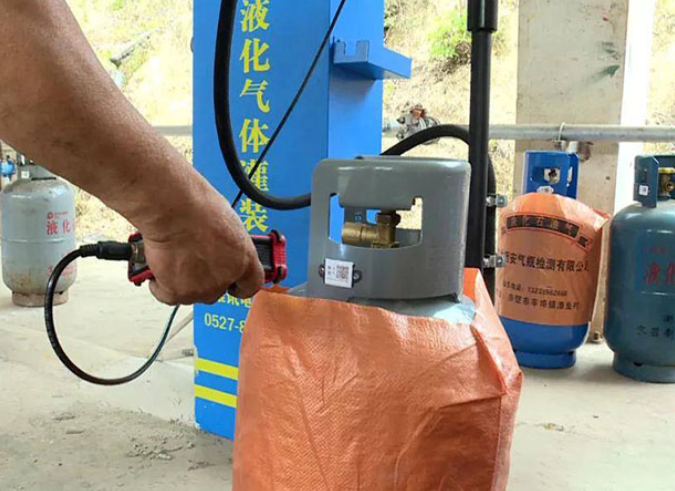
The shift is from documents that are emailed on request to records that are continuously available through a unique identifier. A QR code or tag on the cylinder becomes the entry point.
Why This Matters Commercially
It is tempting to treat the DPP as another compliance burden. That would be a mistake. The ability to prove a cylinder’s history and environmental profile is becoming a sales advantage.
Large buyers increasingly need data for their own sustainability reporting. A supplier who can provide verified material composition and carbon information makes those buyers’ jobs easier. A supplier who cannot may be excluded from tenders regardless of product quality.
Traceability also supports safety and asset management. A digital record makes recalls faster, refurbishment more controlled and cylinder loss easier to track. The same infrastructure that satisfies a regulator improves daily operations.
The Carbon Footprint Question
The hardest part for many manufacturers will be environmental data. Calculating a credible carbon footprint requires information about raw material sourcing, energy use in forming and heat treatment, coating processes and transport.
For steel cylinders, the story is nuanced. Steel is energy-intensive to produce, but it is highly recyclable and cylinders last for decades. A well-maintained cylinder reused over many fill cycles has a strong lifecycle story. The challenge is documenting it with numbers rather than claims.
Buyers should expect growing pressure to provide this data. The best time to start collecting it is now, while requirements are still taking shape.
Who Is Affected and When
The ESPR framework is being phased in, with working plans defining priority product groups and timelines. Even if cylinders are not among the first categories, the direction is clear. Suppliers who wait for a final deadline will face a scramble to reconstruct data that should have been captured during production.
Exporters should also remember that once a digital passport is required in a major market, it tends to become a de facto global standard. Buyers prefer one system, not different documentation for every destination.
Practical Steps to Prepare
Start with the data you already have. Map what is recorded at each stage — material certificates, batch numbers, test results, coating information — and identify where records are missing or inconsistent.
Next, give every cylinder a reliable unique identity. Digital records are useless if the physical cylinder cannot be matched to them. Durable markings that survive refilling and handling are essential.
Then structure the data so it can be exported. A passport is not a PDF; it is a data set that can be queried. That means moving away from scanned documents toward structured digital records.
Finally, engage with customers early. Ask what data they expect and in what format. Their answers will help you prioritise.
The Risk of Doing Nothing
The risk is not a fine on day one. It is gradual exclusion. Tenders begin asking for carbon data. Retailers request digital records. A competitor offers verified traceability and wins the contract. By the time the regulation formally applies, the market has already moved.
There is also a reputational dimension. Companies that can demonstrate responsible production and product longevity will be trusted more easily than those that rely on generic sustainability claims.
Quick Takeaways
- The Digital Product Passport is an EU-driven requirement with global supply-chain impact.
- Cylinder passports will likely cover identity, materials, approvals, test history and environmental data.
- Traceability brings commercial benefits beyond compliance.
- Carbon footprint documentation will be the hardest but most valuable element.
- Start structuring data and cylinder identities now, before deadlines arrive.
Frequently Asked Questions
Is the Digital Product Passport mandatory now?
The framework is being phased in through ESPR working plans, so requirements depend on product category and timeline.
Will non-European suppliers be affected?
Yes, indirectly. Customers selling into Europe will require passport data from their suppliers.
What identifier does a passport use?
Usually a unique digital link such as a QR code or RFID tag on the product.
Do existing cylinders need retrofitting?
That will depend on final rules, but durable marking and digital records are the sensible foundation.
The bottom line: the product passport is not just a regulatory document. It is a structured argument for why your cylinder is traceable, safe and responsible — and the sooner you can make that argument, the stronger your position.