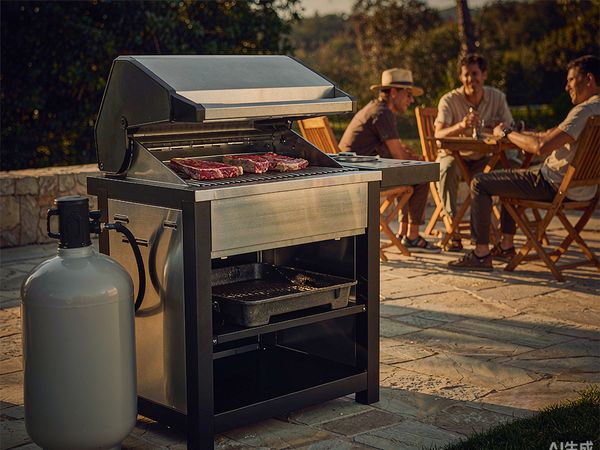
The gas cylinder has an unlikely hero: the backyard barbecue. While energy headlines focus on power grids and EV chargers, a quiet but durable trend has been reshaping cylinder demand for years — the global rise of outdoor cooking. From Australian backyards to American patios and European camping grounds, the humble gas bottle has become part of a lifestyle rather than just a fuel source.
For manufacturers and distributors, this matters because the outdoor cooking market behaves differently from industrial or household heating demand. It is seasonal, brand-sensitive, highly visible to consumers, and surprisingly profitable when handled well.
Why Outdoor Cooking Keeps Growing
Several forces feed the trend. Urban living has made outdoor space more valuable, and cooking outside has become a social activity rather than a chore. The post-pandemic habit of entertaining at home has stuck. Media, social platforms and celebrity grill culture have turned barbecue into an aspirational pastime.
Climate plays a part too. In warmer regions, outdoor cooking is possible year-round. In colder markets, the summer season is intense but short, creating sharp demand spikes that suppliers must plan for.
The result is a steady expansion in the number of households and commercial venues that own a gas grill. Every new grill means a cylinder, a regulator, a connection and a refill relationship. That is a recurring revenue stream, not a one-off sale.
The Cylinder Behind the Grill
A barbecue cylinder is usually a small-to-medium LPG bottle — commonly 20 lb in North America and similar sizes elsewhere. Its requirements are specific:
- Easy handling and portability, because users move it around the patio.
- Reliable valve and regulator compatibility, because safety perception is everything.
- Clean appearance, because the cylinder is visible and part of the outdoor setup.
- Consistent vapour supply, because a grill that loses pressure mid-cook is a memorable failure.
This is a market where appearance and trust matter as much as engineering. A dented, rusty cylinder next to a premium grill sends the wrong signal. That is why coating quality and finish have real commercial value here.
The Seasonal Rush Problem
Outdoor cooking demand is heavily seasonal. Demand peaks in late spring and summer, and again around holidays. Refill plants face queues, delivery fleets stretch thin, and customers become impatient.
Suppliers who plan for this pattern win. Practical steps include building cylinder inventory before the season, pre-positioning stock near high-demand areas, extending depot hours, and offering exchange programmes that reduce waiting time.
The exchange model is particularly powerful. A customer who can swap an empty cylinder for a full one in minutes will stay loyal. A customer who must wait three days will consider buying a cheap replacement — which is exactly how uncertified cylinders enter the market.
The Premium Segment Opportunity
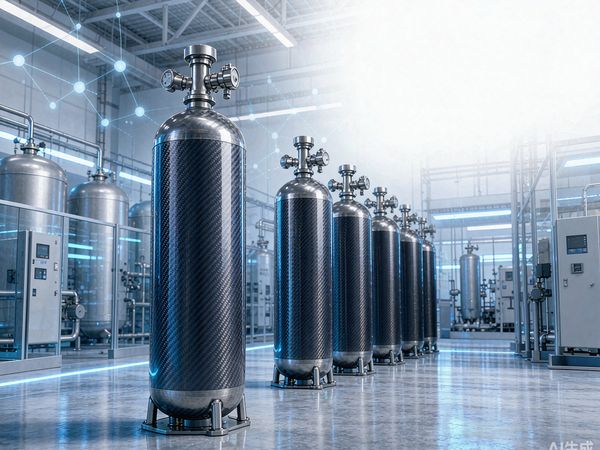
Not all outdoor cooking cylinders are equal. A growing premium segment values lightweight composite bottles, sleek finishes and better handling. These customers are less price-sensitive and more responsive to design and convenience.
Composite cylinders make particular sense here. A lighter bottle is easier to move, resists corrosion and looks modern. For premium grill brands and outdoor retailers, it fits the product story. For distributors, it opens a higher-margin tier.
At the same time, the mass market remains firmly steel. The cost gap is real, and for a cylinder that lives on a patio, steel with a good coating delivers excellent value. A smart range strategy covers both tiers.
Safety Perception Is the Whole Game
Outdoor cooking is one of the few places where consumers interact directly with a gas cylinder. That makes safety perception a marketing issue. A leaking smell, a difficult connection or a confusing regulator can turn a customer against gas entirely.
Clear instructions, quality valves and reliable regulators are essential. Retailers should train staff to answer basic questions and to check connections at the point of sale. Distributors should make it easy for customers to report problems and get replacements.
In markets with strong barbecue culture, a reputation for safe, reliable gas supply is a genuine competitive moat.
The Retail Channel Matters
Barbecue cylinders often move through hardware stores, garden centres and outdoor retailers rather than traditional fuel depots. That changes the commercial model. Shelf presence, packaging and brand consistency become important.
Suppliers who support retailers with displays, clear product information and reliable stock will outperform those who treat outdoor cylinders as an afterthought. Seasonal promotions work well, but only if supply is ready to meet the spike.
What Distributors Should Do Now
Start by mapping your outdoor cooking customer base. Identify which accounts are seasonal and which are year-round. Build a pre-season checklist covering stock levels, cylinder condition, valve supply and delivery capacity.
Review your exchange process. If a customer waits too long, you lose more than one refill. Look at your coating and finish quality in this segment — appearance genuinely influences repeat purchase.
Finally, consider a tiered offer: a dependable steel cylinder for the mass market and a lighter premium option for enthusiasts. That lets you capture value without abandoning price-sensitive customers.
Quick Takeaways
- Outdoor cooking is a durable, growing driver of cylinder demand.
- Demand is seasonal and rewards careful inventory and logistics planning.
- Appearance and finish matter more in this segment than in industrial markets.
- Exchange programmes build loyalty and keep uncertified cylinders out.
- A tiered steel-plus-composite range captures both mass and premium buyers.
Frequently Asked Questions
What cylinder size is most common for barbecue?
Around 20 lb in North America, with similar small-to-medium sizes common in other markets.
Is gas better than charcoal for grilling?
Gas offers convenience and control; charcoal offers a different flavour. Both sustain cylinder demand through the refill model.
Why do barbecue cylinders need better coating?
Because they are visible and used in outdoor environments, so corrosion protection and appearance both matter.
How can retailers reduce seasonal shortages?
By forecasting early, pre-positioning stock and running efficient cylinder exchange programmes.
The bottom line: the barbecue boom turned a utilitarian product into a lifestyle accessory. Suppliers who understand that shift — and plan for the seasonality behind it — are the ones who keep the demand.