A cylinder can look perfect and still be dangerous. That is the uncomfortable reality distributors face when uncertified or copied bottles enter the supply chain. They arrive with convincing paint, a familiar shape and a stamp that looks almost right. To an untrained eye, they pass. To a pressure test, they often do not.
Counterfeit and substandard cylinders are not a rare problem confined to informal markets. They show up in legitimate supply chains because busy buyers prioritise availability, price and speed. A container of cheap bottles with plausible paperwork can clear several hands before anyone asks the right questions. By then, the cylinders may already be in customers’ premises.
The good news: most fakes reveal themselves quickly if you know what to look for. Here is a practical 60-second check, followed by the deeper controls that actually prevent the problem.
The 60-Second Field Check
- Look at the stamp
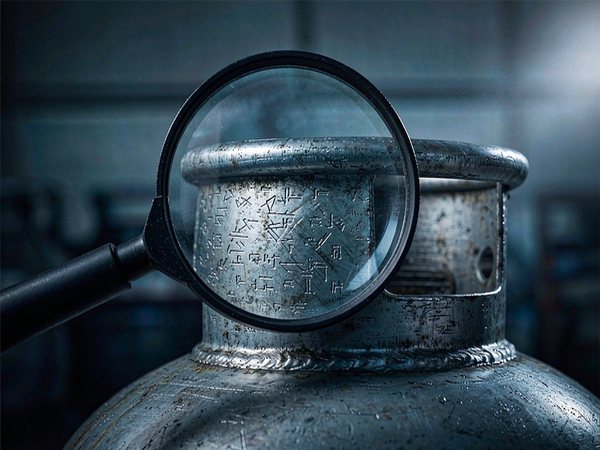
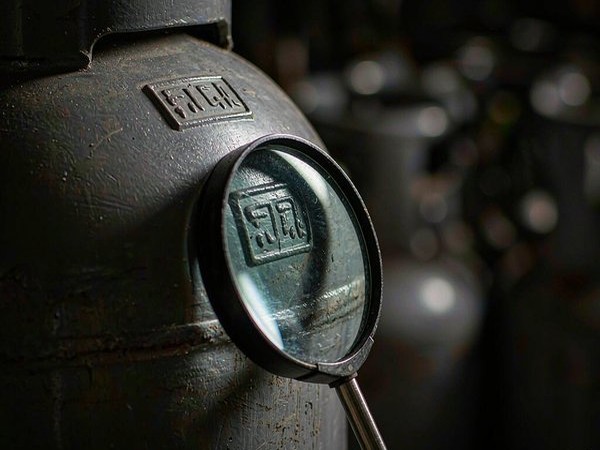
Genuine cylinders carry a permanent, clearly stamped identification mark with manufacturer code, serial number, manufacture date and test information. The stamping should be even, deep and professionally applied. A stamp that is shallow, uneven, misspelled or missing key data is an immediate red flag.
- Check the markings for consistency
Certification marks must match the market. A cylinder claimed to be approved for one region but bearing marks from an unrelated standard deserves scrutiny. Inconsistent or logically impossible mark combinations are common on copied bottles.
- Examine the weld and seams
Quality cylinders have clean, uniform welds around the shell. Rough, uneven or visibly repaired welds suggest poor manufacturing. Pay particular attention to the area around the foot ring and the valve boss.
- Inspect the valve and thread
Counterfeit cylinders are often paired with cheap valves. Check that the valve is seated correctly, the thread is clean and undamaged, and the markings on the valve match the claimed specification. A bottle with a high-quality body but an unmarked valve is still a problem.
- Check the base and paint
Repainting is normal, but excessive paint can hide corrosion or repairs. Look for runs, overspray into threads, or a base ring that has been welded back on. A cylinder that has been “refurbished” without a matching test record should be quarantined.
- Weigh it
A cylinder that feels unusually light may have thinner walls than specified. While a bathroom scale is not a test instrument, a significant weight difference compared with a known-good unit is worth investigating.
If any of these checks fail, stop. Do not fill it, do not deliver it, and do not let it re-enter the rental pool.
Why Fakes Are So Hard to Eliminate
The economics are simple. A substandard cylinder can be produced with less steel, cheaper welding and no proper testing. That creates a large price gap that is very attractive to buyers under cost pressure.
The risk is distributed. The person who buys the cylinder may never be the person who suffers the consequences. That disconnect weakens the incentive to check carefully.
Documentation can be forged. Mill certificates, test reports and approval letters are copied and reused. A folder of paperwork does not prove the bottle in front of you is the one described in it.
Supply chains are long. A cylinder may pass through traders, agents and depot staff before reaching a filling plant. Each handover is an opportunity for documentation to detach from the physical product.
The Five Questions That Expose a Suspicious Shipment
When a new batch arrives, ask these before accepting it:
- Can the manufacturer’s identity be verified independently?
- Does every cylinder’s stamped serial match the packing list?
- Are the test dates consistent with the claimed manufacture date?
- Do the valve certificates match the valve batch actually fitted?
- Is there a traceable hydrostatic test record for the batch?
If a supplier cannot answer all five quickly, treat the shipment as unresolved rather than acceptable. “We can send the documents later” is not a useful answer when the cylinders are already on your yard.
Build a Gate, Not a Spot Check
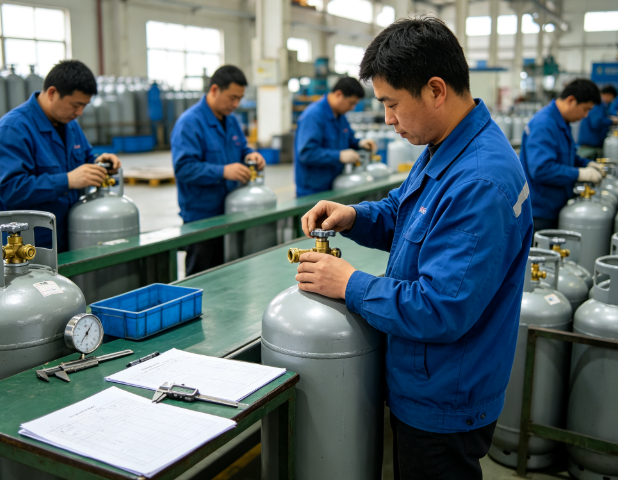
Relying on a vigilant employee is not a system. Good distributors build a receiving gate with clear rules:
- Quarantine all incoming cylinders until checked.
- Verify documents against physical marks on a sample — and expand the sample if anything is inconsistent.
- Record the check with photos and a timestamp.
- Reject the entire batch if a systematic problem appears.
- Keep a list of approved and banned sources, updated after every incident.
Random checks are useful only if the sample size is meaningful and the consequences of failure are clear. If one fake is found, the assumption should be that others are present until proven otherwise.
The Role of Traceability Technology
Digital identity tools are becoming a practical defence. Laser-marked QR codes, RFID tags and batch-linked records make it harder for a copied cylinder to enter a legitimate fleet unnoticed. At a minimum, a unique identifier tied to a manufacturing and test record turns a visual inspection into a database check.
Technology is not a substitute for physical inspection, though. A tag can be copied onto a fake bottle. The strongest approach combines a durable physical mark, an independent digital record and trained staff who still look at the weld.
What Regulators and Customers Expect
Across major markets, authorities are taking a harder line on uncertified pressure vessels. Import inspections are more frequent, and documentation is being checked against physical goods. A distributor found handling counterfeit cylinders faces more than a fine: recalls, lost certification privileges and serious reputational damage.
Customers are also becoming more demanding. Commercial buyers increasingly ask for proof of origin and test history as part of tender documentation. A supplier who can produce clean records has a concrete advantage over one who cannot.
The Cost of Getting It Wrong
A single counterfeit cylinder that fails in service can trigger an investigation, a site shutdown and a loss of trust that takes years to rebuild. The direct cost is minor compared with the commercial fallout.
There is also a quieter cost: contamination of your fleet. Once a fake cylinder is painted in your colours and entered into your system, it keeps circulating. Every refill and every delivery adds exposure. Removing it later is far more expensive than rejecting it at the gate.
Quick Takeaways
- A convincing appearance does not prove a cylinder is certified.
- Check the stamp, marks, weld, valve, paint and weight in under a minute.
- Verify documents against physical cylinders, not just against a folder.
- Quarantine incoming batches and reject systematically if problems appear.
- Combine digital traceability with real physical inspection.
Frequently Asked Questions
Are fake cylinders always cheaper?
Usually, but not always. Some are sold at near-market prices through intermediaries who conceal the origin. Price is a signal, not proof.
Can a genuine cylinder become unsafe later?
Yes. Corrosion, damage, unauthorised repairs and expired test dates all create risk regardless of origin.
What should I do with a suspected counterfeit?
Isolate it, photograph the markings and defects, notify your supplier in writing, and contact the relevant regulator if the issue appears systematic.
Is repainting a sign of a fake?
Not necessarily. Repainting is common. The concern is repainting that hides corrosion, repairs or missing markings.
The bottom line: counterfeit cylinders survive on speed and assumption. Slow down for sixty seconds at the gate, and most of them never reach a customer.